
Gabrius fallaciosus
(Horn, 1884)
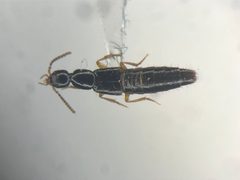
Gabrius fallaciosus is a rove beetle in the tribe Staphylinini, Staphylininae. It was originally described as Philonthus fallaciosus by Horn in 1884 and later transferred to the Gabrius. The is known from eastern North America, with records spanning Canada and the United States. Like other members of the genus, it is a ground-dwelling associated with soil and decaying organic matter.
Pronunciation
How to pronounce Gabrius fallaciosus: /ˈɡæbriəs ˌfælˈeɪʃəs/
These audio files are automatically generated. While they are not always 100% accurate, they are a good starting point.
Identification
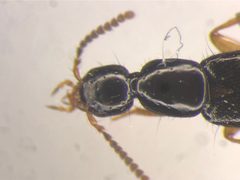
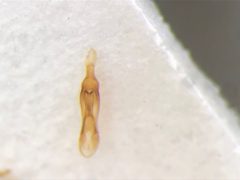
Gabrius fallaciosus can be distinguished from similar rove beetles by its placement in the Gabrius, characterized by specific combinations of tarsal formula, mouthpart structure, and male genitalia . Accurate identification to level requires examination of microscopic characters, particularly the . It may be confused with other Gabrius species or closely related Philonthina, necessitating reference to original descriptions or revisionary works.
Images
Distribution
Eastern North America: Canada (New Brunswick, Ontario, Quebec) and United States (Connecticut, Iowa, Indiana, Massachusetts, Maine, Michigan, North Carolina, New Hampshire, New Jersey, New York, Ohio, Pennsylvania, Tennessee, Virginia, Vermont).
Similar Taxa
- Gabrius speciesOther members of the Gabrius share similar general and preferences, requiring detailed examination for -level separation.
- Philonthus speciesHistorically classified in Philonthus; related in this share tribe-level characteristics and may occur in similar .
More Details
Taxonomic History
Originally described as Philonthus fallaciosus by Horn in 1884. Transferred to Gabrius following taxonomic revisions of the Philonthina.
Observation Records
iNaturalist records are sparse (4 observations as of source date), suggesting the is either genuinely uncommon, under-collected, or difficult to identify from photographs.