
Speleobama
Park, O., 1951
Species Guides
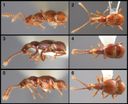
1Speleobama is a of rove beetles in the Staphylinidae, Pselaphinae. It was described by Orlando Park in 1951 and is the type genus of the tribe Speleobamini. Members of this genus are associated with cave , as indicated by the genus name derived from 'speleo-' (cave) and 'bama' (a suffix used in related genera). The genus contains multiple described found in North America.
Pronunciation
How to pronounce Speleobama: /ˌspɛliːoʊˈbɑːmə/
These audio files are automatically generated. While they are not always 100% accurate, they are a good starting point.
Identification
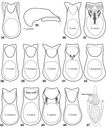
Identification to requires examination of male genitalia and detailed microsculpture of the and pronotum. Speleobama possess the reduced elytra characteristic of Pselaphinae, covering approximately half the . The tribe Speleobamini is distinguished within Goniaceritae by specific arrangements of antennal and the structure of the metaventrite. Specimens are small, usually under 3 mm in length, with compact bodies adapted for moving through soil and leaf litter.
Images
Habitat
in this have been collected from cave environments, including twilight zones and deeper cave passages. Collections also occur in deep soil and leaf litter in forested areas, particularly in karst regions with limestone geology. The specificity reflects the troglobitic or troglophilic tendencies of many species.
Distribution
The is distributed in eastern and central North America, with records from cave systems in the Appalachian region, the Ozark Plateau, and the Interior Low Plateaus. Individual have narrow ranges often restricted to single cave systems or karst regions.
Ecological Role
As and scavengers in subterranean , Speleobama contribute to nutrient cycling in caves where primary productivity is limited to organic matter transported from surface environments. Their presence in cave indicates stable conditions with adequate humidity and food resources.
Human Relevance
The has significance for cave conservation and biodiversity assessment. with restricted distributions are vulnerable to disturbance from mining, groundwater pollution, and recreational caving activities. Speleobama serves as an indicator for subterranean health in North American karst regions.
Similar Taxa
- BatriasymmodesAlso in tribe Speleobamini and shares cave-associated habits, but differs in the structure of the lobe of the and the arrangement of foveae on the .
- EuplectusIn the same Pselaphinae but in tribe Euplectini; differs in having more elongate body form and different antennal club structure.
- PselaphusType of Pselaphinae in tribe Pselaphini; has more complex elytral foveal patterns and different pronotal structure.
More Details
Taxonomic History
Park established Speleobamini as a new tribe in 1951 based on distinctive characters of the Speleobama. The tribal placement within Goniaceritae has been supported by subsequent phylogenetic analyses of Pselaphinae. The genus name reflects the cave-dwelling habits of the type and related .
Species Diversity
Multiple have been described, with new species continuing to be discovered from previously unsampled cave systems. Species delimitation relies heavily on male genitalic characters due to morphological convergence in external features among cave-dwelling beetles.