
Speleobama vana
Park, O., 1951
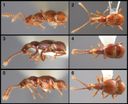
Speleobama vana is a of rove beetle (Staphylinidae: Pselaphinae) described by Orlando Park in 1951. The name Speleobama, combining Greek 'speleo' (cave) and 'bama' (step/walk), indicates an association with cave . The species is known from Alabama, USA, and belongs to the tribe Speleobamini within the diverse Pselaphinae , which contains many small, cryptic beetles often associated with leaf litter, soil, and subterranean environments.
Pronunciation
How to pronounce Speleobama vana: //ˌspɛliːəˈbeɪmə ˈvænə//
These audio files are automatically generated. While they are not always 100% accurate, they are a good starting point.
Images
Habitat
Based on the name etymology ('speleo-' meaning cave), Speleobama vana is likely associated with cave or subterranean environments. Members of the Pselaphinae are typically small, eyeless or reduced-eyed beetles adapted to dark, moist microhabitats including leaf litter, soil, and caves.
Distribution
Known from Alabama, USA (AL). Distribution records indicate presence in North America.
More Details
Taxonomic placement
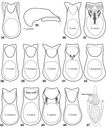
Speleobama vana is classified in the tribe Speleobamini within the Pselaphinae. The Pselaphinae are a large subfamily of Staphylinidae containing over 9,000 described , many of which are poorly known due to their small size and cryptic habits. The tribe Speleobamini was established by Park and contains primarily associated with cave and subterranean in North America.
Nomenclatural note
The specific epithet 'vana' is Latin for 'empty' or 'void', though the author's intended meaning is not documented in readily available sources. The name clearly references cave-dwelling habits.