
Micropeplus
Latreille, 1809
Species Guides
6- Micropeplus browni
- Micropeplus cribratus
- Micropeplus laticollis(Large-collared Marsh Rove Beetle)
- Micropeplus neotomae
- Micropeplus punctatus
- Micropeplus sculptus
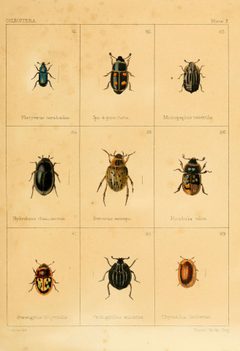
Micropeplus is a of rove beetles in the Staphylinidae, established by Latreille in 1809. The genus comprises at least 40 described extant , with additional fossil species known from Miocene deposits in Alaska and Germany, and Cretaceous amber from Myanmar. It is the type genus of the Micropeplinae, a small and morphologically distinct lineage within the diverse rove beetle fauna.
Pronunciation
How to pronounce Micropeplus: /ˌmaɪ.kɹoʊˈpɛ.pləs/
These audio files are automatically generated. While they are not always 100% accurate, they are a good starting point.
Identification
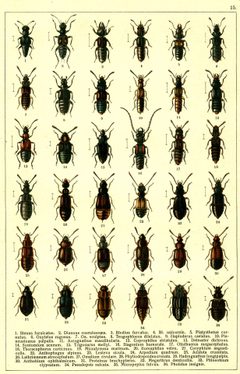
Members of Micropeplus can be distinguished from other rove beetles by their placement in the Micropeplinae, characterized by compact body form and reduced wing venation. The lacks the elongated body typical of many Staphylinidae, presenting a more rounded or oval outline. Antennal structure and tarsal formula provide additional diagnostic features at the subfamily level.
Images
Distribution
The has documented occurrence records from Denmark, Norway, and Sweden. Fossil indicate a broader historical distribution, with Miocene records from Alaska (Imuruk Volcanics Formation) and Germany (Willershausen), and a Cretaceous record from Burmese amber in Myanmar.
Similar Taxa
- Other Staphylinidae generaMicropeplus differs from most rove beetles in its compact, non-elongated body form and membership in the distinctive Micropeplinae, which is separated from the vast majority of Staphylinidae placed in Staphylininae and related subfamilies.
More Details
Fossil Record
Four fossil are described: †Micropeplus hoogendorni and †M. hopkinsi from Miocene volcanic deposits in Alaska, †M. macrofulvus from Pliocene deposits in Germany, and †M. pengweii from Cretaceous Burmese amber (~99 million years old), indicating long evolutionary persistence of the .
Taxonomic History
Micropeplus was established by Pierre André Latreille in 1809 and has remained the core of the Micropeplinae, which contains relatively few genera compared to the hyperdiverse Staphylininae.