
Leptusa
Kraatz, 1856
Species Guides
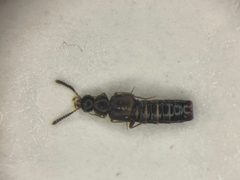
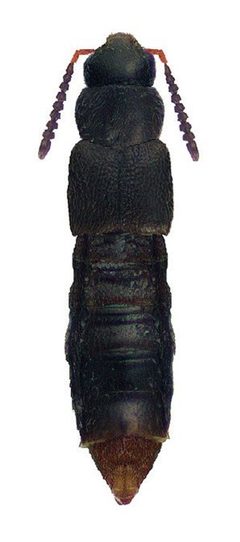
5Leptusa is a of rove beetles in the Staphylinidae, Aleocharinae. The genus was established by Kraatz in 1856 and currently comprises at least 20 described globally. The Palaearctic fauna includes approximately 420 species and 74 distributed across 71 subgenera. Recent taxonomic work from the Georgian Caucasus has significantly expanded knowledge of the genus in that region.
Pronunciation
How to pronounce Leptusa: //ˈlɛp.tu.sa//
These audio files are automatically generated. While they are not always 100% accurate, they are a good starting point.
Identification
As a within the subtribe Bolitocharina, Leptusa are small rove beetles with the characteristic abbreviated of Staphylinidae, leaving most abdominal segments exposed. Species-level identification requires examination of subtle morphological characters including genitalic structures and fine body sculpturing. The two new species described from Georgia (L. pugiofera and L. insculpta) were distinguished by distinctive body sculpturing patterns.
Images
Distribution
The has a broad Palaearctic distribution with 420 and 74 recorded across 71 subgenera. The Caucasus region sensu lato harbors 40 species, with Georgia alone hosting 21 species (11 of which appear to the country). Distribution records from GBIF indicate presence in Denmark, Norway, and Sweden. Specific collection localities in Georgia include Kvemo Svaneti and Zemo Svaneti in the western Caucasus.
Similar Taxa
- Other Bolitocharina generaMembers of the same subtribe share the general small-bodied, aleocharine rove beetle . Leptusa is distinguished by specific combinations of characters including mouthpart structure, tarsal formula, and male genitalia features that require detailed examination.
More Details
Taxonomic diversity
The Georgian Caucasus study collected 923 specimens belonging to ten in just three field trips, suggesting the may be considerably more diverse than currently documented, with many species likely undescribed in poorly sampled regions.
Subgeneric classification
The is divided into numerous subgenera (71 in the Palaearctic), with the two Georgian described in the subgenus Neopisalia.