
Catopocerini
Hatch, 1927
Genus Guides
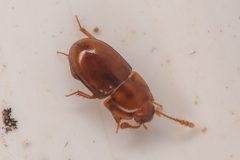
2Catopocerini is a tribe of small, eyeless, wingless beetles in the Leiodidae. The tribe contains at least two —Catopocerus (five east of the Mississippi River) and Pinodytes (42 species west of the Mississippi River)—with more than 40 described species total. All members are obligate inhabitants of forest soil and litter, where they function as fungivores. The tribe was reviewed taxonomically in 2011, resulting in the resurrection of Pinodytes to generic status and the description of 33 new species.
Pronunciation
How to pronounce Catopocerini: //kæˌtoʊpəˈsɛraɪni//
These audio files are automatically generated. While they are not always 100% accurate, they are a good starting point.
Identification
Distinguished from other Leiodidae by the combination of complete eyelessness and winglessness. Within the tribe, Catopocerus occurs east of the Mississippi River while Pinodytes occurs west of the Mississippi River. -level identification requires examination of subtle morphological characters and geographic location.
Images
Appearance
Small beetles with complete absence of and wings. Body form adapted for subterranean life in soil and litter .
Habitat
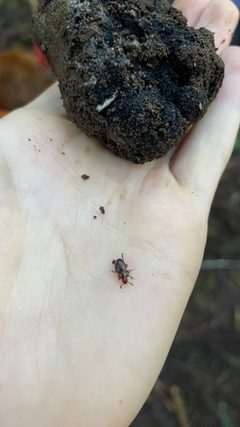
Forest soil and litter; strictly subterranean. All are obligate inhabitants of these , showing morphological adaptations (eyelessness, winglessness) for life below ground.
Distribution
North America. Catopocerus: east of the Mississippi River (five ). Pinodytes: west of the Mississippi River (42 species), with documented occurrences in Oregon, California, Colorado, Alaska, Idaho, Washington, Texas (Ozarks region to eastern Texas), and Haida Gwaii Islands (British Columbia, Canada).
Diet
Subterranean fungi. Both larvae and are presumed to feed on fungal material in soil and litter, based on association and mouthpart typical of fungivorous beetles.
Life Cycle
Development includes larval and stages. Specific details of deposition, larval development duration, and sites have not been documented.
Behavior
Strictly subterranean; active in soil and litter layers. Eyelessness and winglessness indicate permanent residence below ground with no capability.
Ecological Role
Soil fungivore. Functions as a decomposer in forest , contributing to nutrient cycling through consumption of subterranean fungal .
Human Relevance
No documented direct interactions with humans. Potential indirect relevance through contributions to soil function in forested areas.
Similar Taxa
- Other Leiodidae tribesOther tribes in Leiodidae and Catopocerinae typically retain functional and/or wings, and many occupy different such as caves, carrion, or fungal fruiting bodies rather than forest soil and litter.
More Details
Taxonomic history
Pinodytes Horn, 1880 was resurrected to valid generic status in 2011 after long synonymy under Catopocerus. The 2011 revision established 9 new combinations transferring from Catopocerus to Pinodytes and described 33 new Pinodytes species.
Conservation implications
The strict association with forest soil and litter, combined with flightlessness and small geographic ranges of many , suggests vulnerability to disturbance. Several species have very restricted distributions (e.g., single mountain ranges or islands).