
Phyllophaga rugosa
(Melsheimer, 1845)
rugose June beetle
Phyllophaga rugosa, commonly known as the , is a scarab beetle in the Scarabaeidae. It occurs across much of North America, with documented records from Canada and the United States. Like other members of the Phyllophaga, it is a often attracted to lights. The has been identified as an intermediary for the giant thorn-headed worm of swine (Macracanthorhynchus hirudinaceus).
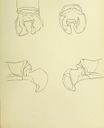
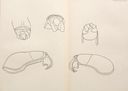
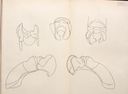
Pronunciation
How to pronounce Phyllophaga rugosa: /fɪˈlɒfəɡə ruˈɡoʊsə/
These audio files are automatically generated. While they are not always 100% accurate, they are a good starting point.
Images
Distribution
Recorded from Canada (Alberta, Manitoba, Ontario, Quebec, Saskatchewan) and the United States (Colorado, Indiana, Iowa, Maryland, Massachusetts, Minnesota, Montana, Nebraska, North Carolina, North Dakota, Oregon, Pennsylvania, South Dakota, Texas, Virginia, Wisconsin).
Host Associations
- Macracanthorhynchus hirudinaceus - intermediary Larval serves as intermediate for this acanthocephalan of swine; beetle can act as carrier
Human Relevance
Documented as an intermediary and carrier for Macracanthorhynchus hirudinaceus, the giant thorn-headed worm of swine, a of veterinary concern.
Sources and further reading
- BugGuide
- Wikipedia
- GBIF taxonomy match
- iNaturalist taxon
- NCBI Taxonomy
- Bembicid Holdings | Entomology Research Museum
- 🌿 Botanizing w/ the Webster Groves Nature Study Society (WGNSS) Botany Group at Rockwoods Reservation – 3 Nov 2025 | Beetles In The Bush
- Bug Eric: New Mexico Night Bugs
- New Intermediary Insect Host Records for the Giant Thorn-Headed Worm of Swine. Phyllophaga rugosa an Intermediary Host, and the Adult Beetle a Carrier.*