
Dyscinetus
Harold, 1869
Rice Beetles
Species Guides
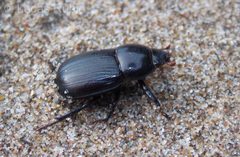
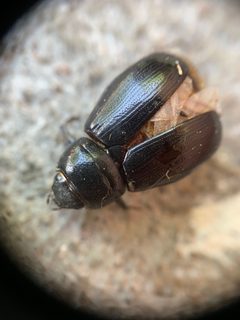
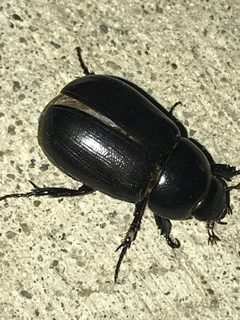
3Dyscinetus is a of scarab beetles in the tribe Cyclocephalini, commonly known as rice . The genus contains at least 24 described distributed across the Nearctic and Neotropical regions. Larval stages have been described for some species, including D. dubius, but detailed biological information remains limited for most .
Pronunciation
How to pronounce Dyscinetus: //dɪˈsɪnɪtəs//
These audio files are automatically generated. While they are not always 100% accurate, they are a good starting point.
Identification
can be distinguished from other Cyclocephalini by characteristics of the genus-level in Dynastinae; specific features require examination of mandibular structure and pronotal form. Larvae of at least three have been described and can be separated using morphological characters of the raster and .
Images
Distribution
Nearctic and Neotropical regions. Records include Colombia for D. dubius; broader distribution patterns across the Americas are documented in GBIF records.
Life Cycle
Larvae develop through three instars before . The larva and pupa of D. dubius have been formally described, representing the only documented stages for the in published literature.
Similar Taxa
- CyclocephalaBoth belong to tribe Cyclocephalini and share general body form; Dyscinetus is distinguished by differences in mandibular and pronotal .
More Details
Taxonomic placement
The has been classified in Melolonthidae in some historical treatments (as noted in the D. dubius description), but is currently placed in Dynastinae: Cyclocephalini per modern classifications (Catalogue of Life, GBIF).