
Aesalinae
Macleay, 1819
Genus Guides
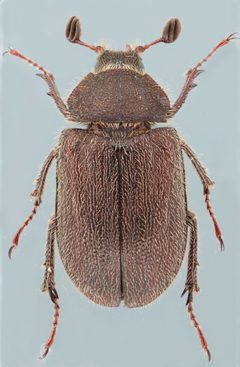
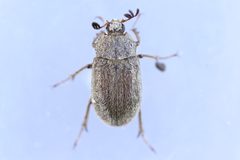
1Aesalinae is a of stag beetles (Lucanidae) established by William Sharp Macleay in 1819, with the type Aesalus. The subfamily contains three tribes: Aesalini (seven extant genera including Aesalus), Ceratognathini (four extant genera including Ceratognathus), and Nicagini ( genus Nicagus). The group includes both extant and fossil , with described fossil genera dating from the Jurassic and Cretaceous periods.
Pronunciation
How to pronounce Aesalinae: /ˌaɪsəˈlaɪniː/
These audio files are automatically generated. While they are not always 100% accurate, they are a good starting point.
Images
Habitat
Members occupy diverse : Nicagus occultus has been documented from unvegetated sand dunes in the Monahans Sandhills of western Texas, representing an unusual habitat for Lucanidae. Other Nicagus occur in eastern and central North America (N. obscurus) and Japan (N. japonicus). Specific habitat details for Aesalini and Ceratognathini are not documented in available sources.
Distribution
Disjunct distribution across temperate regions: Aesalini occur in Eurasia; Ceratognathini in Australia, New Zealand, and Chile; Nicagus in North America (United States, southern Canada) and Japan. The discovery of N. occultus in Texas extended the known range of Nicagus significantly westward.
Similar Taxa
- LucaninaeOther of Lucanidae; Aesalinae distinguished by tribal composition and geographic distribution patterns, though specific diagnostic characters require examination
- SyllinaeThird extant of Lucanidae; Aesalinae differs in tribal structure and lacks the reduced mandibular characteristics associated with Syllinae