
Melittomma sericeum
(Harris, 1841)
Chestnut Timberworm Beetle, chestnut timberworm
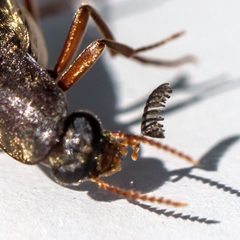
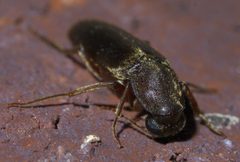
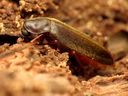
Melittomma sericeum, commonly known as the chestnut timberworm, is a of in the Lymexylidae. This is found in North America. The family Lymexylidae is characterized by unusual including highly reduced in some , though specific morphological details for M. sericeum itself are not well documented in available sources. Larvae of related genera in this family are known to bore into hardwoods and form symbiotic associations with ambrosia fungi.
Pronunciation
How to pronounce Melittomma sericeum: /mɛˈlɪttoʊmə səˈrɪsiəm/
These audio files are automatically generated. While they are not always 100% accurate, they are a good starting point.
Images
Distribution
North America. Specific records and range boundaries within this region are not well documented in available sources.
Host Associations
- Castanea - likely 'chestnut timberworm' suggests association with chestnut trees (Castanea), though this has not been explicitly confirmed in available sources.
Similar Taxa
- Other Lymexylidae generaMembers of Lymexylidae share the characteristic of reduced that expose much of the , distinguishing them from most other . such as Atractocerus exhibit this trait most dramatically, while Melittomma appear more conventionally beetle-like.
More Details
Family characteristics
Lymexylidae (ship-timber beetles) are an unusual and enigmatic . Larvae of related (Lymexylon and Melittomma) are believed to form symbiotic associations with ambrosia fungi, with females depositing fungal spores in a sticky matrix when laying . The hatching larvae carry spores into wood on their bodies. The family has been subject to considerable taxonomic debate regarding its placement within Coleoptera.