
Hydrochus rufipes
Melsheimer, F. E., 1844
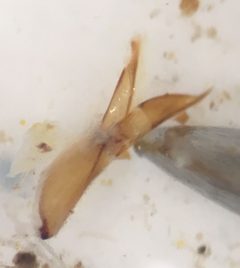
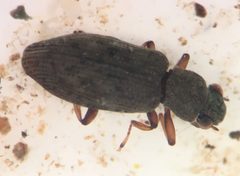
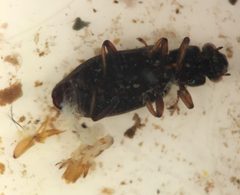
Hydrochus rufipes is a of water scavenger beetle in the Hydrochidae, sometimes treated as a member of the family Hydrophilidae. It is found in North America. The specific epithet 'rufipes' refers to reddish legs, a characteristic feature of this species.
Pronunciation
How to pronounce Hydrochus rufipes: //haɪˈdrɒkəs ˈruːfɪpiːz//
These audio files are automatically generated. While they are not always 100% accurate, they are a good starting point.
Identification
May be distinguished from other Hydrochus by the reddish coloration of the legs, as indicated by the specific epithet 'rufipes'. Hydrochidae (sometimes treated as part of Hydrophilidae) comprises small aquatic beetles that can be challenging to identify to species level without close examination.
Images
Habitat
Aquatic environments; typical for Hydrochidae which inhabits various freshwater .
Distribution
North America. Distribution records from GBIF indicate presence across much of the eastern and central United States including: Alabama, Arkansas, District of Columbia, Delaware, Florida, Georgia, Iowa, Illinois, Indiana, Kansas, Louisiana, Maryland, Maine, Michigan, Missouri, Mississippi, North Carolina, New Jersey, New York, Ohio, Oklahoma, Pennsylvania, South Carolina, Texas, Virginia, Wisconsin, and Wyoming.
Similar Taxa
- Other Hydrochus speciesSimilar small aquatic ; H. rufipes distinguished by reddish legs
- Hydrophilidae (if Hydrochidae treated as subfamily)Taxonomic placement varies; Hydrochidae sometimes included within Hydrophilidae as Hydrochinae
More Details
Taxonomic Note
The Hydrochidae has historically been treated as a (Hydrochinae) within Hydrophilidae. Modern classifications often recognize it as a distinct family, though this placement remains variable in literature.
Collection Records
GBIF distribution records indicate this has been documented across 25 U.S. states, with highest concentration in eastern and central regions. Only 4 observations recorded in iNaturalist as of data compilation.
Sources and further reading
- BugGuide
- Wikipedia
- GBIF taxonomy match
- iNaturalist taxon
- Catalogue of Life
- Vanquished vanishing columbines: Columbine sawfly, Pristiphora rufipes — Bug of the Week
- Cicindelidae | Beetles In The Bush | Page 7
- Fungus Manipulates Ants to Die Near their Nests, Ensuring New Hosts
- Bug Eric: More Beetles from Bones
- Working with Cerceris fumipennis—Part 2 | Beetles In The Bush
- Red-eyed poop! | Beetles In The Bush