
Phosphaenus
Laporte, 1833
short-winged firefly, lesser glow worm
Species Guides
1- Phosphaenus hemipterus(Lesser Black Glow-worm)
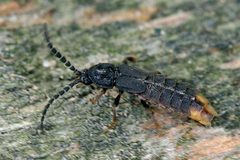
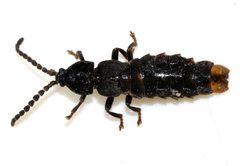
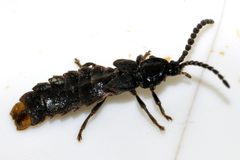
Phosphaenus is a of fireflies ( Lampyridae) established by Laporte in 1833. Its sole , Phosphaenus hemipterus, is notable for the of females and the reduced, flightless condition of both sexes. The genus is distinguished from other lampyrids by its highly abbreviated wing covers in males and the absence of functional wings in both sexes.
Pronunciation
How to pronounce Phosphaenus: //fɒsˈfiːnəs//
These audio files are automatically generated. While they are not always 100% accurate, they are a good starting point.
Identification
Distinguished from other European fireflies by the flightless condition of both sexes and the abbreviated of males. Males of most other Lampyridae possess fully developed wings. Larvae identified by their slender build, smaller size, and absence of the bilateral pale dot series on the that characterizes Lampyris noctiluca larvae. A key to central European lampyrid larvae (Phosphaenus hemipterus, Lamprohiza splendidula, and Lampyris noctiluca) has been published based on morphological features.
Images
Habitat
Meadows, floodplains, forest edges, and dry slopes. Also occurs in anthropogenic including parks and gardens.
Distribution
Native to the Mediterranean region, Central Europe, west to the Atlantic Ocean, and north to the edge of Scandinavia including England. Introduced to North America. Distribution records confirmed from Denmark, Norway, and Sweden.
Diet
Larvae are predatory. feeding habits not documented in available sources.
Life Cycle
Females are neotenic, retaining larval characteristics in the stage. Larval stage thoroughly documented; mature larva redescribed with detailed morphological analysis including external sense organs.
Behavior
Larvae exhibit predatory and a specific lifestyle distinct from other lampyrid larvae. Both sexes are flightless due to wing reduction. Bioluminescent display presumably used for mate location, though specific behavioral details not documented.
Human Relevance
In Britain, considered fairly rare compared to the common glow-worm (Lampyris noctiluca). Subject of entomological interest due to its unusual and . Introduced to North America, though ecological impact not documented.
Similar Taxa
- Lampyris noctilucaCommon glow-worm with which it co-occurs in Britain and Europe; distinguished by larger size, fully winged males, and larvae with bilateral pale dot series on .
- Lamprohiza splendidulaCentral European firefly; distinguished by fully developed wings in males and different larval .
More Details
Monotypic status
The Phosphaenus is , containing only P. hemipterus (Goeze, 1777). This rarity among lampyrid genera reflects the highly specialized of the .
Morphological specializations
The reduction of wings in both sexes represents an unusual evolutionary trajectory among fireflies, most of which retain capability in males. The convergent appearance of males and females is atypical for the .
Sources and further reading
- BugGuide
- Wikipedia
- GBIF taxonomy match
- iNaturalist taxon
- NCBI Taxonomy
- Catalogue of Life
- Redescription of immature stages of central European fireflies, Part 3: Phosphaenus hemipterus (Goeze, 1777) larva, and notes on its life cycle and behaviour, with a key to three central European lampyrid larvae (Coleoptera: Lampyridae)