
Lampyrini
Rafinesque, 1815
glowing fireflies, continuous-light fireflies
Genus Guides
4- Microphotus
- Nelsonphotus(Nelson's desert firefly)
- Paraphausis
- Prolutacea(firefly)
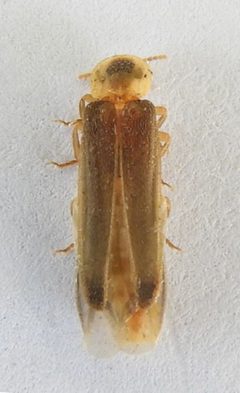
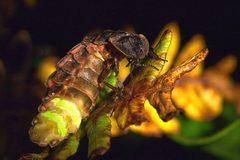
Lampyrini is a tribe of fireflies ( Lampyrinae) containing the typical 'glowing' or 'continuous-light' fireflies of the Holarctic region. The tribe includes the type Lampyris and formerly recognized Pleotomini, which molecular evidence indicates is a specialized offshoot nested within Lampyrini. Some derived genera, including Paraphausis and Pyrocoelia, have secondarily lost bioluminescent organs and communicate using instead. The tribe occurs across the Holarctic and includes Andean- lineages such as Pseudolychnuris and Alychnus.
Pronunciation
How to pronounce Lampyrini: /læmˈpaɪəˌraɪni/
These audio files are automatically generated. While they are not always 100% accurate, they are a good starting point.
Identification
Members of Lampyrini are distinguished from other firefly tribes primarily by their bioluminescent communication systems, typically producing continuous or glowing light signals rather than flashing patterns. in derived such as Paraphausis and Pyrocoelia lack functional light organs and must be identified by morphological features and -based communication. Andean- genera Pseudolychnuris and Alychnus exhibit striking morphological convergence with brachypterous (short-winged), presumably flightless females, requiring careful examination to distinguish.
Images
Habitat
Holarctic distribution spanning temperate and regions; includes Andean páramo grassland-shrubland between approximately 3000–5000 m elevation in Colombia.
Distribution
Throughout the Holarctic region (North America, Europe, northern Asia); also present in the Neotropical Andes with lineages in the Colombian Páramos.
Behavior
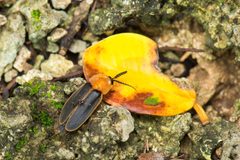
of some Andean (Pseudolychnuris vittata, Alychnus suturalis) visit flowers and interact with pollen and nectar. Females of these Andean species are brachypterous and presumably flightless. Some derived species communicate primarily or exclusively via rather than .
Ecological Role
Possible occasional of Andean- plants based on flower-visiting ; broader ecological roles within Holarctic not documented in available sources.
Similar Taxa
- PhotininiBoth are tribes within Lampyrinae; Lampyrini is distinguished by continuous glowing light production versus flashing signals in many Photinini, though this distinction is complicated by secondary loss of in some Lampyrini .
- Pleotomini (historical)Formerly recognized as a separate tribe but now included within Lampyrini based on molecular phylogenetic evidence indicating it is a specialized offshoot near Lampyris.