
Isarthrus
LeConte, 1852
Species Guides
2Isarthrus is a of beetles in the Eucnemidae (false click beetles), established by LeConte in 1852. Members of this genus are small to medium-sized beetles characterized by their association with decaying wood. The genus is poorly documented in scientific literature, with only eight observations recorded on iNaturalist as of the data cutoff. Isarthrus belongs to a family whose larvae are primarily wood-borers in dead or dying hardwoods.
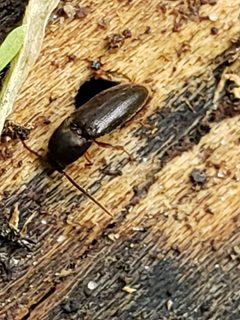
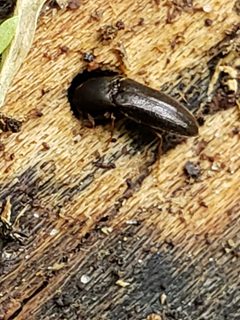
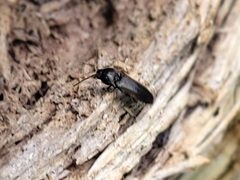
Pronunciation
How to pronounce Isarthrus: //aɪˈsɑːrθrəs//
These audio files are automatically generated. While they are not always 100% accurate, they are a good starting point.
Identification
Isarthrus can be distinguished from other Eucnemidae by their compact body form and the structure of the pronotum, which lacks the pronounced angles found in some related genera. The genus is most readily separated from similar false click beetles by the combination of small size, relatively short , and reduced or modified clicking mechanism compared to true click beetles (Elateridae). Exact species-level identification requires examination of antennal structure and male genitalia.
Images
Habitat
Decaying hardwood logs and stumps in forested areas. The is associated with moist, decomposing wood where larval development occurs.
Distribution
North America, with records primarily from the eastern and central United States based on available specimen data.
Seasonality
have been observed from late spring through summer (May–August), with peak activity likely corresponding to warm, humid conditions favorable for fungal growth in decaying wood.
Life Cycle
Larvae are wood-borers that develop in decaying hardwoods, particularly oak and related . The complete from to likely spans one to two years, though specific duration is undocumented for this .
Behavior
are and attracted to light. When disturbed, individuals may exhibit the characteristic clicking of Eucnemidae, though this mechanism is generally less pronounced than in true click beetles. Adults are rarely encountered in the field due to their cryptic habits and association with concealed microhabitats.
Ecological Role
Larvae contribute to wood decomposition and nutrient cycling in forest by tunneling through dead hardwoods. The serves as a food source for woodpeckers and other that forage in decaying wood.
Human Relevance
No direct economic importance. The is occasionally encountered by entomologists and naturalists during surveys of saproxylic (dead wood-dependent) . Not considered a pest of structural timber or living trees.
Similar Taxa
- EucnemisBoth are Eucnemidae with compact bodies, but Eucnemis have more elongate pronota and longer relative to body size.
- MelasisSimilar size and preference, but Melasis has a more pronounced prosternal process and different antennal club structure.
- Elateridae (true click beetles)Superficially similar in body shape and clicking , but Eucnemidae including Isarthrus have reduced prosternal grooves and different thoracic structure that produces a weaker click.
More Details
Taxonomic Note
The Isarthrus has received limited taxonomic attention since its description. boundaries within the genus remain poorly resolved, and modern revisionary work is needed to clarify diversity and distributions.
Conservation Status
Not evaluated by IUCN. Like many saproxylic beetles, may be affected by loss from removal of dead wood in managed forests and urban areas.