
Synaptini
Gistel, 1856
Genus Guides
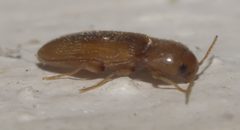
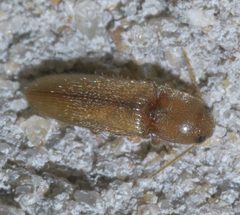
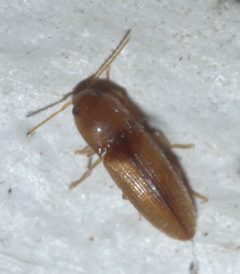
1Synaptini is a tribe of click beetles (Elateridae) within the Elaterinae. Members are characterized by specific morphological features of the prosternal process and associated structures that distinguish them from related tribes. The group contains multiple distributed across various regions. Synaptini beetles share the -wide ability to produce an audible clicking sound through the prosternal-mesosternal locking mechanism used for righting themselves when overturned.
Pronunciation
How to pronounce Synaptini: /sɪˈnæptɪnaɪ/
These audio files are automatically generated. While they are not always 100% accurate, they are a good starting point.
Identification
Synaptini can be distinguished from other Elaterinae tribes by characteristics of the prosternal process, including its shape and the nature of its contact with the mesosternum. Specific identification to or requires examination of antennal structure, body proportions, and details of the prosternal spine and associated grooves. These features separate them from closely related tribes such as Ampedini and Elaterini.
Images
Distribution
Members of Synaptini have been recorded across multiple continents including North America, Europe, and Asia. The tribe shows a broad distribution pattern typical of many elaterid groups, with individual exhibiting more restricted ranges.
Similar Taxa
- AmpediniShares Elaterinae but differs in prosternal process and associated structural details
- ElateriniClosely related tribe within same ; distinguished by specific prosternal and mesosternal characteristics
More Details
Taxonomic History
The tribe was established by Gistel in 1856. The classification and composition of Synaptini have been subject to revision as phylogenetic studies of Elateridae continue to refine relationships within the Elaterinae.