
Physorhinini
Candèze, 1859
Genus Guides
2Physorhinini is a tribe of click beetles (Elateridae) established by Candèze in 1859. Members of this tribe are part of the Elaterinae and are characterized by morphological features of the pronotum and prosternal processes. The tribe includes multiple distributed across various regions, with approximately 958 observations documented on iNaturalist. As a higher-level , specific diagnostic traits vary among constituent genera.
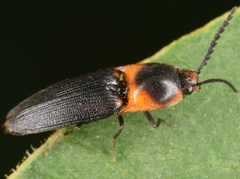
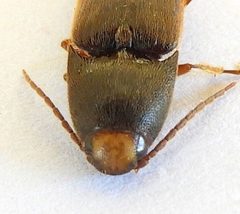
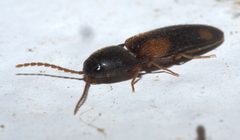
Pronunciation
How to pronounce Physorhinini: //ˌfaɪzoʊrˈɪnɪnaɪ//
These audio files are automatically generated. While they are not always 100% accurate, they are a good starting point.
Identification
Identification to tribe level requires examination of pronotal and prosternal structures, including the shape of the prosternal process and its fit with the mesosternal cavity. Members lack the distinctive features that define other Elaterinae tribes such as Ampedini or Agriotini. -level identification within Physorhinini requires additional characters including structure, body proportions, and elytral .
Images
Distribution
Global distribution with records across multiple continents; specific range boundaries depend on constituent and .
Similar Taxa
- AmpediniAlso in Elaterinae; distinguished by differences in prosternal process shape and pronotal hind angles
- AgriotiniSimilar elaterine tribe; separated by mesosternal cavity structure and body form
- ElateriniType tribe of Elaterinae; differs in pronotal and prosternal
More Details
Taxonomic history
Established by Candèze in 1859, with subsequent revisions to generic composition. Modern phylogenetic studies have refined boundaries relative to neighboring tribes.
iNaturalist observations
958 observations recorded, indicating moderate documentation level for this tribe, though many records may lack identification to or .