
Melanotus longulus oregonensis
(LeConte, 1853)
Oregon Wireworm
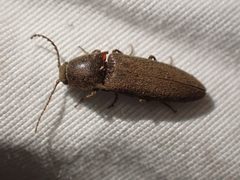
Melanotus longulus oregonensis is a of click beetle in the Elateridae, commonly known as the Oregon . As a wireworm, it represents the larval stage of development that is of agricultural significance. The was described by LeConte in 1853. Wireworms in the Melanotus are soil-dwelling pests whose larvae feed on plant roots and underground plant parts, causing damage to various crops.
Pronunciation
How to pronounce Melanotus longulus oregonensis: /mɛˈlænoʊtəs ˈlɒŋɡjʊləs ˌɒrəɡoʊˈnɛnsɪs/
These audio files are automatically generated. While they are not always 100% accurate, they are a good starting point.
Images
Human Relevance
Wireworms, including those in the Melanotus, are recognized agricultural pests. The larval stage causes damage by feeding on roots, seeds, and underground stems of crops including potatoes, corn, and other vegetables. Management strategies for wireworms in the related Melanotus communis (corn wireworm) have been studied using as biocontrol agents, suggesting similar approaches may be relevant for this .
Similar Taxa
- Melanotus longulusParent ; the nominate would differ in geographic distribution and potentially in subtle morphological features
- Melanotus communisCongeneric with similar and agricultural pest status; identification requires examination of morphological characters
- Other Elateridae wireworms (Agriotes, Limonius)Larval stages are difficult to distinguish; require examination of , pronotum shape, and other structural features