
Dipropus
Germar, 1839
Species Guides
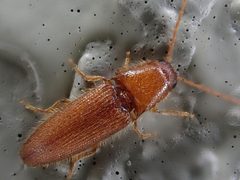
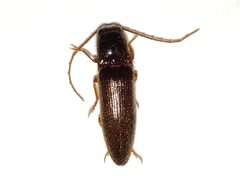
10Dipropus is a of click beetles ( Elateridae) comprising approximately 150 described distributed across the Americas. The genus was established by Germar in 1839. Species in this genus exhibit the characteristic click mechanism of Elateridae, using a prosternal spine and mesosternal groove to generate the jumping motion that allows righting when overturned.
Pronunciation
How to pronounce Dipropus: /dɪˈproʊpəs/
These audio files are automatically generated. While they are not always 100% accurate, they are a good starting point.
Identification
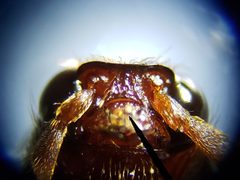
Members of Dipropus can be distinguished from other elaterid by the combination of: prosternal process with distinct lateral carinae; mesosternal cavity with well-defined margins; and antennal structure with serrate or pectinate segments in most . Specific identification to species level requires examination of male genitalia and detailed sculpturing patterns on the pronotum and . The genus is most readily separated from similar New World elaterid genera such as Agriotes and Dalopius by the form of the prosternal and the relative proportions of the pronotum.
Images
Distribution
North, Central, and South America. The shows broad distribution across the New World tropics and subtropics, with records from the southern United States through Mexico, Central America, and into South America.
Behavior
Possesses the characteristic clicking mechanism of Elateridae: when placed on the dorsum, individuals can rapidly flex the body using the prosternal spine and mesosternal groove to launch into the air, typically landing on their feet. This righting is a defensive response to attempts.
Similar Taxa
More Details
Taxonomic History
The was described by Ernst Friedrich Germar in 1839. The large number of (approximately 150) suggests substantial diversity within the genus, though many species may be in need of taxonomic revision.
Research Needs
Despite the large number of described , detailed biological information for most Dipropus species remains undocumented. , larval , and species-level distributions are poorly known.