Limonius basilaris
(Say, 1823)
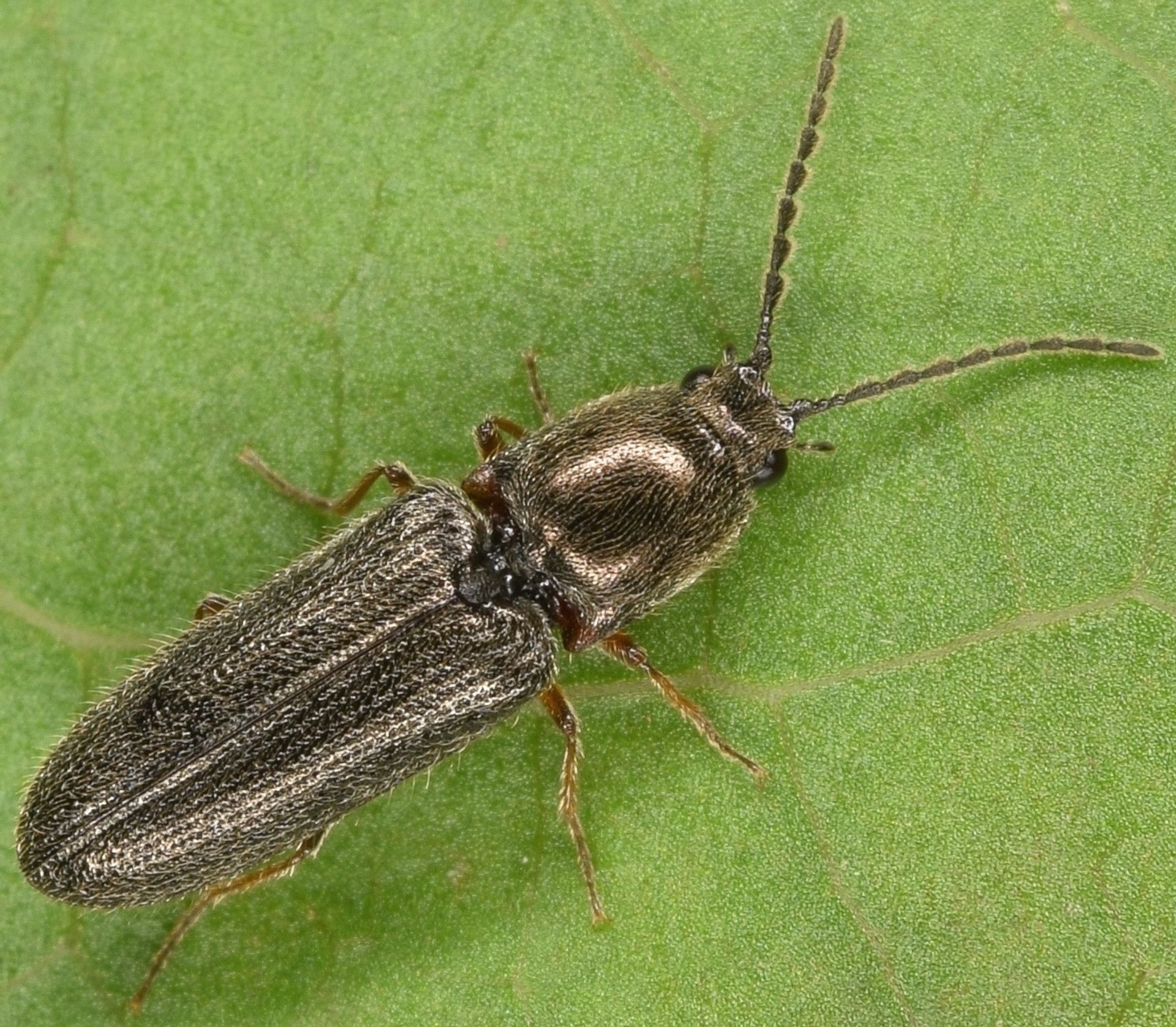
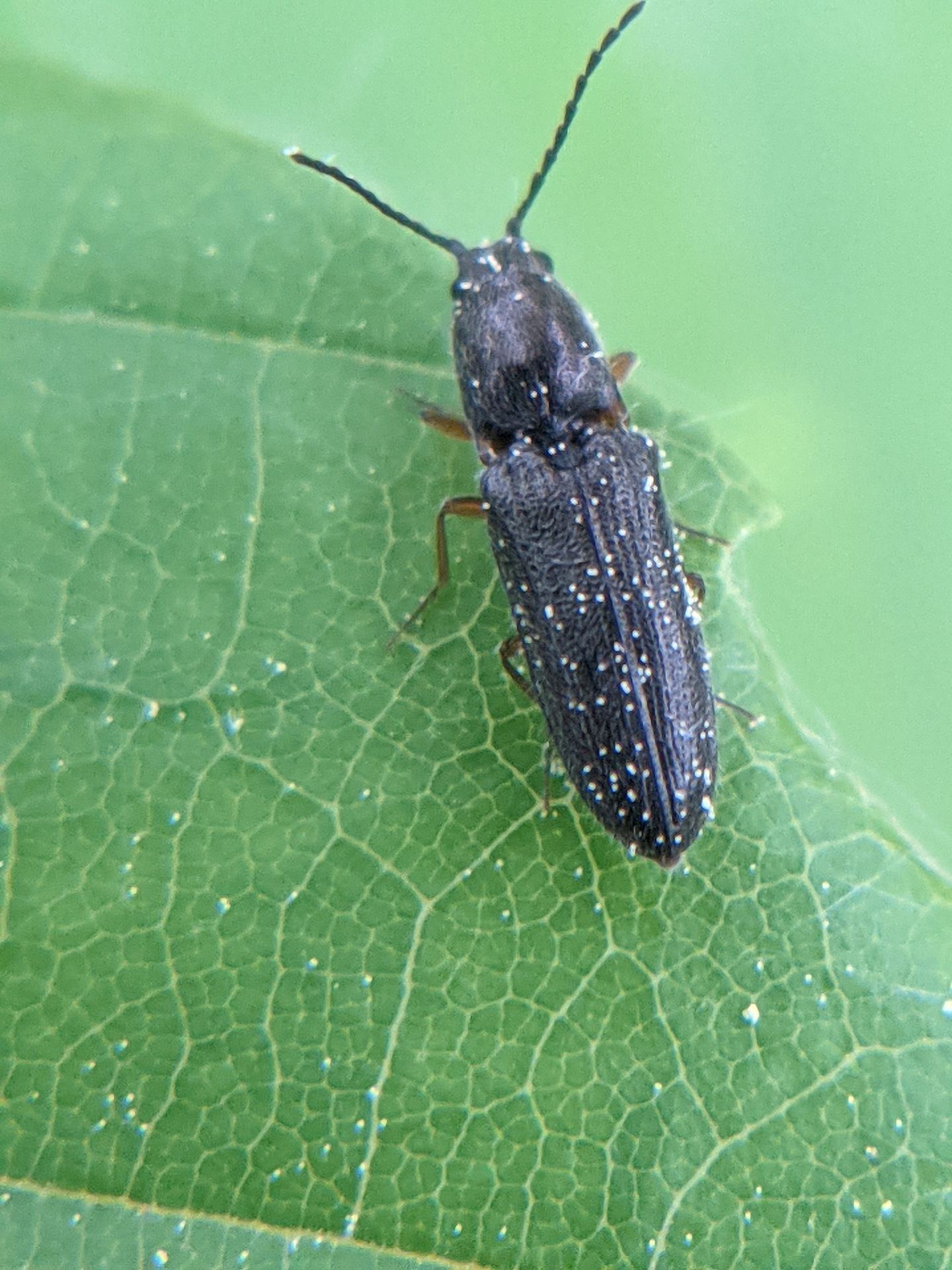
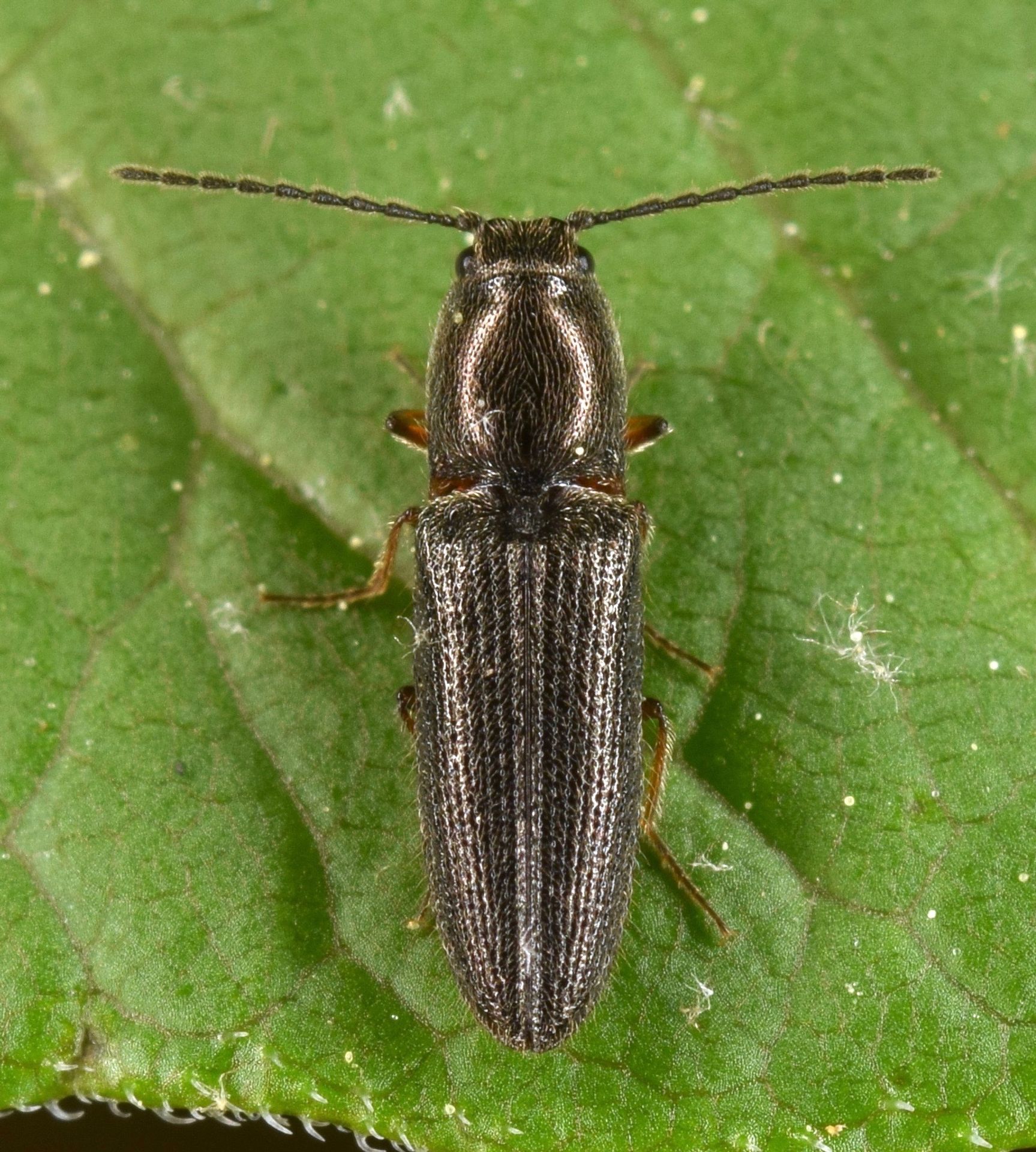
Limonius basilaris is a of click beetle in the Elateridae, first described by Thomas Say in 1823. It is one of several Limonius species known as agricultural pests, with larvae commonly referred to as wireworms that damage crop roots. The species has been the subject of recent research on -based trapping methods for monitoring and management.
Pronunciation
How to pronounce Limonius basilaris: /lɪˈmoʊniəs ˌbæsɪˈlɛərɪs/
These audio files are automatically generated. While they are not always 100% accurate, they are a good starting point.
Identification
Accurate identification to requires examination of morphological characters including pronotal shape, elytral striation patterns, and coloration details, ideally using specialized keys for North American Limonius. It can be distinguished from similar pests in the by subtle differences in body proportions and markings, though field identification is difficult without voucher specimens.
Images
Appearance
are typical click beetles with an elongated, somewhat flattened body and the characteristic prosternal process that enables the 'clicking' escape mechanism. The name 'basilaris' refers to markings at the base of the . Specific coloration and body proportions distinguishing it from require examination of taxonomic keys.
Habitat
Agricultural fields and adjacent grassy areas where larval plants are present. are often found in or near crop fields, particularly those with grasses or cereal crops.
Distribution
Eastern North America, with confirmed records from Ontario and Québec in Canada, and Vermont in the United States. The occurs in regions with suitable agricultural .
Seasonality
activity period not precisely documented; likely active during spring and summer months typical for temperate click beetles. Larval stages persist in soil across multiple years.
Life Cycle
Has a multi-year typical of wireworms, with larvae developing in soil over two to six years before pupating. Larvae feed on roots of plants. Specific developmental timing for this is not well documented.
Behavior
exhibit the characteristic clicking/jumping of Elateridae, using a prosternal spine to flip themselves when disturbed. Research has demonstrated attraction to synthetic lures in trapping studies.
Ecological Role
Larvae function as root-feeding herbivores in soil , potentially affecting plant composition in natural settings. In agricultural systems, they act as pests that reduce crop productivity.
Human Relevance
Larvae are agricultural pests known as wireworms, damaging roots of corn, wheat, and other cereal crops. The has been included in research evaluating synthetic traps for monitoring and improving programs.
Similar Taxa
- Limonius agonusAnother North American pest in the same , with overlapping distribution and similar larval damage ; requires morphological examination to distinguish.
- Melanotus communisA congeneric with similar and agricultural impact; and larvae are difficult to separate without detailed examination.
- Other Limonius speciesMultiple occur in eastern North America with similar appearance and pest status; accurate identification relies on subtle morphological characters.
More Details
Pheromone research
A 2020 presentation at the Entomological Society of America meeting reported on the efficacy of synthetic Limonius on trap captures of four Limonius , including L. basilaris, across various locations in North America. This research indicates the species responds to species-specific compounds useful for monitoring.