
Monocrepidius
Eschscholtz, 1829
Species Guides
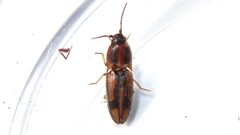
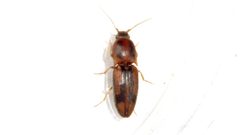
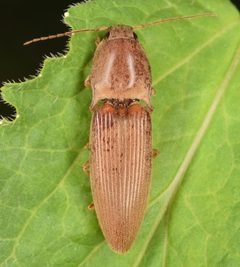
21Monocrepidius is a large of click beetles ( Elateridae) comprising approximately 380 distributed worldwide. The genus was established by Eschscholtz in 1829, with the name Monocrepidius taking priority over the simultaneously published Conoderus under ICZN First Reviser rules. Highest occurs in Australian and Neotropical regions. Larvae of some species possess diagnostic morphological features useful for taxonomic identification.
Pronunciation
How to pronounce Monocrepidius: //ˌmɒnoʊˈkrɛpɪdiəs//
These audio files are automatically generated. While they are not always 100% accurate, they are a good starting point.
Identification
Larvae of certain can be distinguished from other American Monocrepidius by the presence of a penicillus (bristle-like structure) on the and abdominal IX bearing a lateral row of 6–7 setae (versus 2–3 setae in species lacking the penicillus). identification requires reference to species-level descriptions.
Images
Distribution
Worldwide distribution with majority of concentrated in Australian and Neotropical regions. Individual such as M. fuscofasciatus occur in South America, predominantly Brazil.
Life Cycle
Complete with , larva, pupa, and stages. Mature larvae and pupae have been described for some ; larvae are soil-dwelling and known as wireworms.
Behavior
possess the clicking mechanism characteristic of Elateridae, using a prosternal spine and mesosternal groove to produce a violent snapping motion that can right the when overturned or propel it into the air.
Human Relevance
Larvae (wireworms) of some click beetle are agricultural pests, though specific economic impacts for Monocrepidius are not well documented in available sources.
Similar Taxa
- ConoderusJunior synonym of Monocrepidius; historically used for the same before ICZN priority rules established Monocrepidius as the valid name.
More Details
Nomenclatural History
Monocrepidius and Conoderus were published simultaneously by Eschscholtz in 1829. The First Reviser under ICZN Article 24 selected Monocrepidius, rendering Conoderus a junior synonym. Despite this, Conoderus has been frequently cited in literature.
Species Diversity
With approximately 380 , Monocrepidius represents one of the largest within Elateridae. Several informal species groups have been recognized within the genus, including Candèze's section I containing M. fuscofasciatus and six other species.