
Atalantycha bilineata
(Say, 1823)
Two-lined Leatherwing, two-lined cantharid, two-lined leather-wing
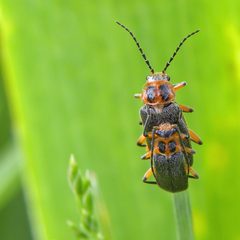
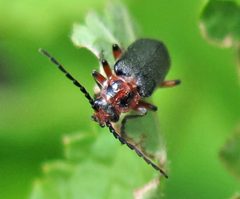
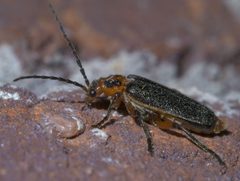
Atalantycha bilineata, commonly known as the Two-lined Leatherwing or two-lined cantharid, is a of soldier beetle in the Cantharidae. It is found in North America and has been documented visiting apple flowers as a . The species is recognizable by its distinctive color pattern and is frequently observed during citizen science events such as the City Nature Challenge.
Pronunciation
How to pronounce Atalantycha bilineata: //ˌætələnˈtɪkə ˌbaɪlaɪˈniːətə//
These audio files are automatically generated. While they are not always 100% accurate, they are a good starting point.
Identification
The can be distinguished from similar soldier beetles by the two prominent black longitudinal stripes on the yellowish or orange , which give rise to its . The pronotum typically has two black spots. These markings separate it from other Atalantycha species and similar cantharids with different color patterns or stripe configurations.
Images
Habitat
Associated with flowering vegetation including apple orchards and rabbitbrush (Chrysothamnus ). Has been observed on apple flowers during activity and in glades dominated by Eastern Red Cedar in oak-hickory forest .
Distribution
North America. Documented in Canada (New Brunswick, Nova Scotia, Ontario) and the United States. Observations span from the Great Plains region to eastern North America.
Seasonality
are active during spring and early summer. Documented observations in April and May during the City Nature Challenge, with activity continuing into late summer. activity on apple flowers has been recorded.
Host Associations
- Chrysothamnus viscidiflorus - visited for nectaryellow rabbitbrush
- Malus - apple flowers; visitation documented
Behavior
have been observed visiting flowers, including during nighttime hours. A specimen was documented on an apple flower in a study of , indicating or nocturnal activity patterns.
Ecological Role
Documented as a of apple flowers, contributing to fruit set and seed development comparable to pollinators. This role highlights the importance of soldier beetles in agricultural pollination services beyond their more commonly recognized predatory functions.
Human Relevance
Recognized as a beneficial insect in apple production due to documented pollination activity. Frequently recorded in citizen science projects such as iNaturalist and the City Nature Challenge, making it a useful for public engagement in entomology.
Similar Taxa
- Pyrota bilineataSimilar color pattern with stripes and spots, but in Meloidae (blister beetles) rather than Cantharidae; can be distinguished by body form and
- Other Atalantycha speciesSame but differ in elytral stripe pattern, spot configuration on pronotum, or overall coloration
More Details
Pollination Research
A 2021 study in the Journal of Economic Entomology documented Atalantycha bilineata as one of several insects visiting apple flowers, demonstrating that night-flying beetles contribute meaningfully to pollination services in fruit production.
Taxonomic History
Originally described by Thomas Say in 1823, this has been variously referred to by emphasizing the two longitudinal stripes on the .
Sources and further reading
- BugGuide
- Wikipedia
- GBIF taxonomy match
- iNaturalist taxon
- NCBI Taxonomy
- Meloidae Holdings | Entomology Research Museum
- Bug Eric: City Nature Challenge 2023 Recap
- P.M. Pollinators: Study Shines Light on Nocturnal Insects' Role in Apple Production
- Midget male meloid mates with mega mama | Beetles In The Bush
- Bug Eric: October 2014
- Bug Eric: New Mexico Dragonfly Blitz - Day 1