
Micracis
LeConte, J.L., 1868
Species Guides
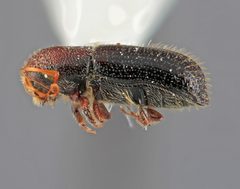
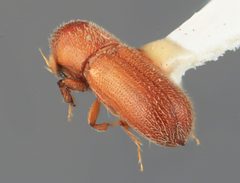
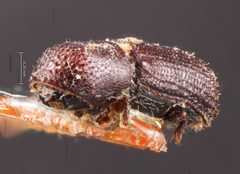
3Micracis is a of bark beetles in the Curculionidae, established by LeConte in 1868. The genus contains over 60 described . Members are small weevils that inhabit woody substrates and are associated with phloem-feeding habits common to bark beetle lineages.
Pronunciation
How to pronounce Micracis: //mɪˈkreɪsɪs//
These audio files are automatically generated. While they are not always 100% accurate, they are a good starting point.
Identification
Micracis are small bark beetles with the characteristic rostrum (snout) of Curculionidae. They can be distinguished from related bark beetle by subtle morphological features of the elytral declivity and antennal club structure, though specific identification requires examination of microscopic characters.
Images
Habitat
Associated with woody plants; inhabit bark and phloem tissues of trees and shrubs.
Distribution
Native to North America; distribution patterns follow plant ranges across temperate and subtropical regions.
Diet
Phloem and inner bark tissues of living or recently dead woody plants.
Host Associations
- woody plants - larval and feeding in phloem
Life Cycle
Complete with , larval, pupal, and stages. Larvae tunnel in phloem, creating characteristic galleries.
Behavior
Gallery-forming in phloem; and larvae construct tunnel systems beneath bark.
Ecological Role
Contributes to nutrient cycling through phloem consumption; some may fungal .
Human Relevance
Some are minor forest pests; economic impact generally limited compared to more destructive bark beetle .
Similar Taxa
- IpsBoth are bark beetle in Curculionidae, but Ips have distinct spines on the elytral declivity and are generally larger.
- DendroctonusLarger bark beetles with more pronounced frontal ; Dendroctonus often attack live, healthy trees while Micracis tends toward stressed or dead .
More Details
Taxonomic History
The was established by John Lawrence LeConte in 1868 and has undergone multiple revisions. -level remains active due to cryptic diversity and morphological similarity among species.