
Eudociminus
Leng, C.W., 1918
pine weevils
Species Guides
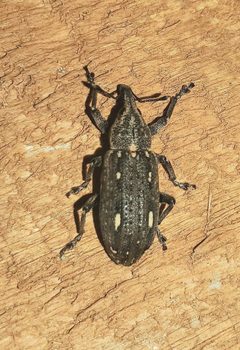
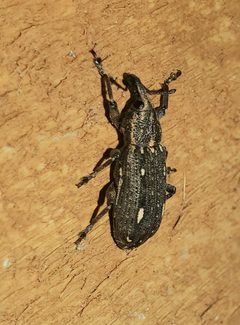
1- Eudociminus mannerheimii(Cypress Weevil)
Eudociminus is a of weevils (Coleoptera: Curculionidae) containing at least two described . The genus includes the cypress weevil, Eudociminus mannerheimii, which is native to North America and associated with cypress trees. Published biological information for the genus is extremely limited.
Pronunciation
How to pronounce Eudociminus: /juːˈdɒsɪˌmaɪnəs/
These audio files are automatically generated. While they are not always 100% accurate, they are a good starting point.
Identification
-level characters for Eudociminus have not been explicitly described in available sources; -level identification requires examination of morphological features detailed in taxonomic redescriptions.
Images
Habitat
Wetland forests dominated by cypress ; breeding occurs in scarred, weakened, or fallen bald cypress and pond cypress trees.
Distribution
Native to North America; documented in Florida and North Carolina with range expansion reported beyond previously known limits.
Diet
Phytophagous: feeds on bald cypress (Taxodium distichum) and pond cypress (Taxodium ascendens).
Host Associations
- Taxodium distichum - primary bald cypress
- Taxodium ascendens - primary pond cypress
Life Cycle
Larvae tunnel through the main stem and root collar of small-diameter cypress nursery stock; specific developmental stages and duration have not been documented.
Behavior
feeding causes limited wounding and girdling of cypress stump sprouts and planted seedlings; larvae bore into woody stems.
Ecological Role
Decomposer of weakened or fallen cypress trees; occasional pest of cypress nursery stock and planted seedlings; possible causative agent of tree mortality under certain conditions.
Human Relevance
Occasional pest of cypress nursery stock and planted seedlings; not a frequent pest of major economic importance but warrants recognition for damage potential.
Similar Taxa
- >PissodesBoth are pine/cypress weevils in Curculionidae that damage coniferous trees; Eudociminus is distinguished by association with Taxodium rather than Pinus.
Sources and further reading
- BugGuide
- Wikipedia
- GBIF taxonomy match
- iNaturalist taxon
- Catalogue of Life
- Cypress Weevil, Eudociminus mannerheimii (Boheman) (Coleoptera: Curculionidae)
- New Information About the Cypress Weevil,Eudociminus mannerheimii(Boheman, 1836) (Coleoptera: Curculionidae: Molytinae): Redescription, Range Expansion, New Host Records, and Report as a Possible Causative Agent of Tree Mortality