
Conotrachelus fissunguis
LeConte, 1876
Hibiscus Curculio
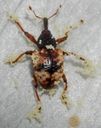
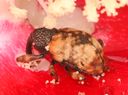
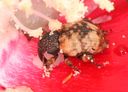
Conotrachelus fissunguis is a of true weevil in the Curculionidae, commonly known as the Hibiscus Curculio. It is native to North America and is one of approximately 150 species in the Conotrachelus. The species was first described by John Lawrence LeConte in 1876. Unlike the well-studied C. nenuphar (), which is a major agricultural pest, detailed ecological and biological information specific to C. fissunguis remains limited in published literature.
Pronunciation
How to pronounce Conotrachelus fissunguis: /ˌkɒnoʊˈtrækələs fɪˈsʊŋɡwɪs/
These audio files are automatically generated. While they are not always 100% accurate, they are a good starting point.
Images
Distribution
North America. Distribution records indicate presence across the continent, though specific range boundaries are not well documented in available sources.
Host Associations
- Hibiscus - probable 'Hibiscus Curculio' suggests association with Hibiscus plants, though specific documentation of use is not confirmed in provided sources.
Similar Taxa
- Conotrachelus nenupharBoth are North American Conotrachelus , but C. nenuphar is a well-documented major pest of stone and pome fruits with extensive agricultural impact, while C. fissunguis has minimal published ecological data and is not known to be an agricultural pest.
More Details
Taxonomic note
The epithet 'fissunguis' (from Latin: fissus = cleft, split + unguis = claw, nail) likely refers to a diagnostic morphological character of the tarsal claws, a common naming convention in LeConte's descriptions of Curculionidae.
Data limitations
Most available literature on the Conotrachelus focuses on C. nenuphar due to its economic importance. C. fissunguis has been documented in biodiversity databases and collections but lacks dedicated biological or ecological studies in the provided source material.