
Apleurus lutulentus
Anderson, 1987
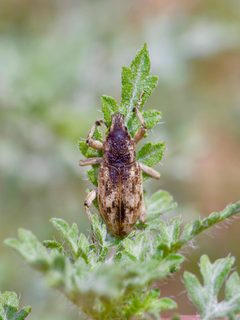
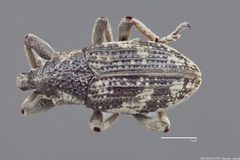
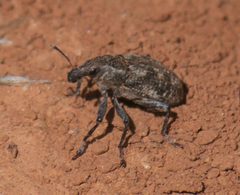
Apleurus lutulentus is a of cylindrical weevil in the Curculionidae. It was described by Anderson in 1987. The species is known from North America. Like other members of its , it belongs to a group of weevils characterized by their elongated, cylindrical body form.
Pronunciation
How to pronounce Apleurus lutulentus: //əˈplɪərəs luːˈtjuːlɛntəs//
These audio files are automatically generated. While they are not always 100% accurate, they are a good starting point.
Identification
As a member of the Apleurus, this likely exhibits the cylindrical body shape typical of the group, with a narrow, elongated rostrum. Specific diagnostic features distinguishing it from are not documented in available sources. The species epithet "lutulentus" (Latin for muddy or turbid) may refer to coloration or association, though this is speculative.
Images
Distribution
North America. Specific range details within this region are not documented.
Similar Taxa
- Other Apleurus species share the cylindrical body form and general weevil ; specific distinguishing characters for A. lutulentus are not documented
- Other cylindrical weevils in CurculionidaeSimilar overall body plan; identification to level requires examination of subtle morphological details not specified in available literature
More Details
Taxonomic status
Listed as provisionally accepted in Catalogue of Life and accepted in GBIF. The is based on relatively few observations (8 records in iNaturalist as of source date), suggesting it may be rarely encountered or underreported.
Etymology
The specific epithet "lutulentus" derives from Latin, meaning muddy, turbid, or foul. The reference is not explicitly documented but may allude to coloration, substrate preference, or collection circumstances.