
Coniatus
E.F. Germar, 1817
Species Guides
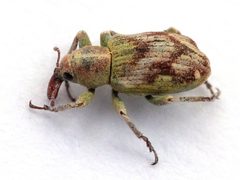
1- Coniatus splendidulus(Splendid Tamarisk Weevil)
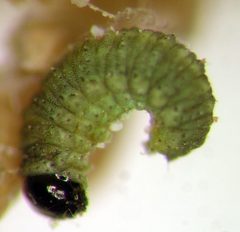
Coniatus is a of true weevils in the Entiminae (tribe Hyperini). are distributed across the Palearctic region, with records from Eurasia, Africa, and the Americas. The genus includes both extant species and fossil species known from the Cenozoic. At least one species, Coniatus tamarisci, has been investigated as a potential agent for Tamarix (tamarisk/saltcedar) in the United States.

Pronunciation
How to pronounce Coniatus: //kəˈnaɪətəs//
These audio files are automatically generated. While they are not always 100% accurate, they are a good starting point.
Images
Habitat
are associated with Tamarix species (tamarisk/saltcedar) in at least some cases; specific requirements for the as a whole are not documented.
Distribution
Palearctic distribution in Eurasia, Africa, and the Americas; fossil known from the Cenozoic. Coniatus splendidulus has been recorded from Altaiskii Krai in Western Siberia, representing the most north-eastern find of that species.
Diet
Coniatus tamarisci feeds on Tamarix spp. (tamarisk/saltcedar); feeding habits of other in the are not documented.
Host Associations
- Tamarix spp. - plantSpecific to Coniatus tamarisci; other associations unknown
Ecological Role
Coniatus tamarisci has been evaluated as a potential agent for Tamarix spp. in the United States.
Human Relevance
Investigated for of tamarisk (Tamarix) in North America; otherwise no documented significance.
More Details
Fossil Record
Fossil of Coniatus are known from the Cenozoic era.
Taxonomic Note
Some sources place this in Hyperinae, while others place it in Entiminae (tribe Hyperini). NCBI lists the as Brachyceridae, which appears to be an outdated classification.
Sources and further reading
- BugGuide
- Wikipedia
- GBIF taxonomy match
- iNaturalist taxon
- NCBI Taxonomy
- Catalogue of Life
- First record of Coniatus splendidulus (Fabricius, 1781) (Coleoptera, Curculionidae) from Western Siberia
- Host Specificity of Coniatus tamarisci (Coleoptera: Curculionidae) from France: Potential Biological Control Agent of Tamarix spp. in the United States