
Cercopedius
Sleeper, 1955
Species Guides
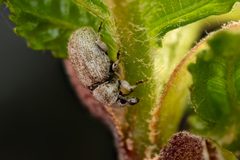
1Cercopedius is a of broad-nosed weevils (Curculionidae: Entiminae) established by Sleeper in 1955. The genus contains at least one described , C. artemisiae. It belongs to the tribe Trachyphloeini, a group of flightless weevils characterized by and reduced wings.
Pronunciation
How to pronounce Cercopedius: //ˌsɛrkoʊˈpiːdiəs//
These audio files are automatically generated. While they are not always 100% accurate, they are a good starting point.
Identification
As a member of tribe Trachyphloeini, Cercopedius likely exhibits the tribe's diagnostic features: along the , absent or wings, and a broad, short rostrum. However, specific distinguishing characters from related have not been documented in available sources.
Images
Distribution
Records indicate presence in Canada (CA). The appears to have a limited known range, though this may reflect incomplete sampling rather than true .
Host Associations
- Artemisia - possible plantThe specific epithet 'artemisiae' suggests association with Artemisia; relationship is inferred from name and not confirmed by direct observation.
Similar Taxa
- TrachyphloeusBoth belong to tribe Trachyphloeini and share the characteristic and flightless condition; morphological distinctions between these require detailed examination.
- PeritelusAnother in Trachyphloeini with similar broad-nosed weevil ; separation depends on subtle genitalic and rostral characters not summarized in general references.
More Details
Taxonomic history
Cercopedius was described by Sleeper in 1955, making it a relatively recently established within the diverse Entiminae. The type C. artemisiae was presumably described concurrently or shortly thereafter.
Research needs
Available information is extremely limited. Basic , complete inventory, diagnostic morphological characters, and ecological data remain undocumented in accessible literature.