Listronotus sparsus
(Say, 1832)
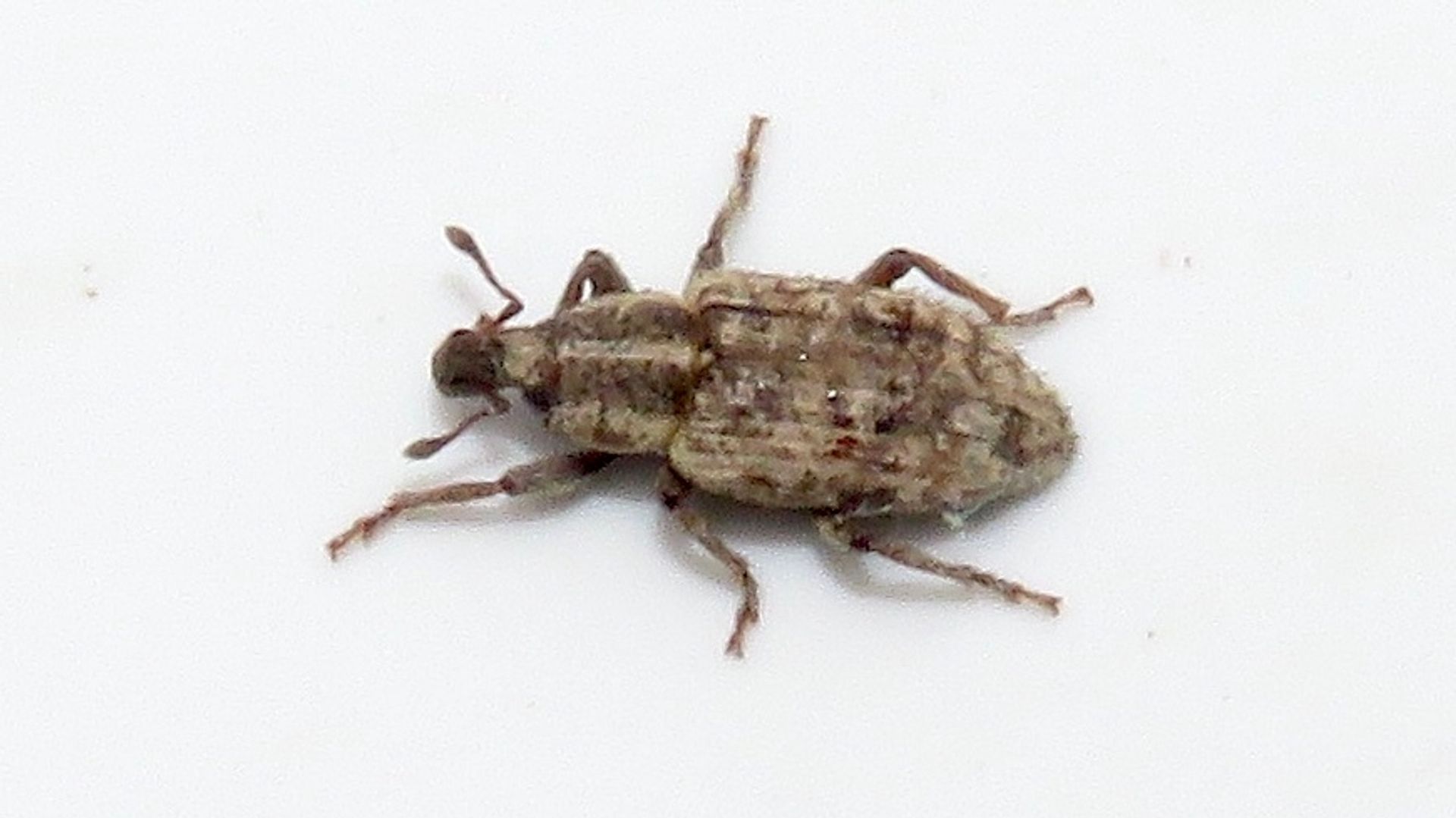
Listronotus sparsus is an underwater weevil in the Curculionidae, described by Say in 1832. It is one of relatively few weevil adapted to aquatic or semi-aquatic . The species occurs in North America, with records from Canada including Alberta, Manitoba, New Brunswick, and Nova Scotia. Like other members of the Listronotus, it likely has associations with aquatic vegetation, though specific ecological details remain poorly documented.
Pronunciation
How to pronounce Listronotus sparsus: /ˌlɪstroʊˈnoʊtəs ˈspɑrsəs/
These audio files are automatically generated. While they are not always 100% accurate, they are a good starting point.
Images
Habitat
Aquatic or semi-aquatic environments; specific plants or microhabitat preferences have not been documented.
Distribution
North America: Canada (Alberta, Manitoba, New Brunswick, Nova Scotia). Distribution in the United States has not been clearly documented.
More Details
Aquatic Adaptation
The designation of L. sparsus as an 'underwater weevil' indicates morphological or behavioral adaptations for submersion, though specific mechanisms (such as respiration or other cuticular modifications) have not been described in the available literature.
Data Deficiency
Despite being described nearly two centuries ago, L. sparsus remains poorly known. The small number of iNaturalist observations (9) and minimal literature references suggest it is either genuinely rare, cryptic, or undercollected due to its aquatic habits.
Sources and further reading
- BugGuide
- Wikipedia
- GBIF taxonomy match
- iNaturalist taxon
- Catalogue of Life
- Listronotus setosipennis - Entomology Today
- carrot weevil - Listronotus oregonensis - Entomology Today
- annual bluegrass weevil - Listronotus maculicollis - Entomology Today
- Glowing on the Golf Course: Fluorescent Imaging Reveals Turfgrass Pest's Most Active Period
- New Guide Offers Latest in Carrot Weevil Management
- Two Insects Lead the Fight Against Destructive Invasive Weed—But There's Still More to Be Done