
Episcirrus
Kuschel, G., 1958
hidden snout weevils
Species Guides
1- Episcirrus brachialis(Spot-necked Bumelia Weevil)
Episcirrus is a of hidden snout weevils established by Kuschel in 1958. The genus contains at least four described distributed within the Curculionidae . These weevils are characterized by their concealed rostrum, a trait that distinguishes them from other weevil groups. The genus includes both historically described species and more recently described such as E. isolepus from 2014.
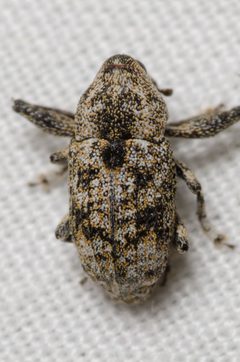
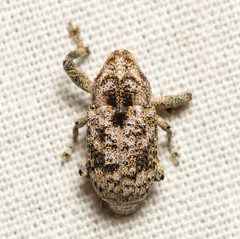
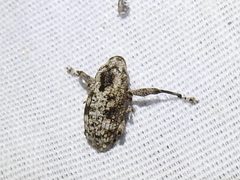
Pronunciation
How to pronounce Episcirrus: /ˌɛpɪˈskɪrəs/
These audio files are automatically generated. While they are not always 100% accurate, they are a good starting point.
Identification
Members of Episcirrus can be distinguished by the hidden or concealed snout (rostrum), a diagnostic feature of this weevil group. The rostrum is typically not visible from above due to structural modifications of the and pronotum. This contrasts with the prominently extended rostrum seen in most other Curculionidae .
Images
Distribution
The has been documented in multiple regions, with described from North America (E. brachialis, E. singularis) and fossil records from Dominican amber (E. isolepus). The exact contemporary range for the genus as a whole remains incompletely documented.
Similar Taxa
- Other Curculionidae generaMost other weevil display an elongated, visible rostrum used for feeding and oviposition, whereas Episcirrus have a reduced or concealed rostrum.
More Details
Species diversity
The includes four described : Episcirrus brachialis (LeConte, 1884), Episcirrus singularis (Chevrolat, 1880), Episcirrus propugnator Kuschel, 1958, and Episcirrus isolepus Poinar & Legalov, 2014. The latter species was described from Miocene Dominican amber, representing a fossil record for the genus.
Taxonomic history
The was erected by G. Kuschel in 1958, with E. propugnator designated as the type . The authorship and date are sometimes cited as Kuschel, 1958.