
Gasterocercini
hidden snout weevils
Genus Guides
4- Cophes
- Episcirrus(hidden snout weevils)
- Hohonus(hidden snout weevils)
- Rhynchus
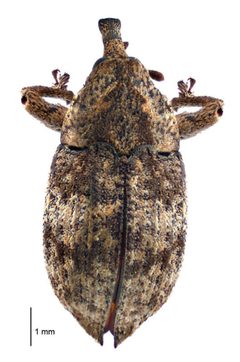
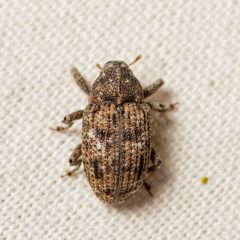
Gasterocercini is a tribe of weevils within the Curculionidae, commonly referred to as hidden snout weevils. The tribe contains at least four —Cophes, Episcirrus, Hohonus, and Rhynchus—with approximately eight described . These weevils are part of the enormous radiation of snout beetles, though specific biological details for the tribe as a whole remain poorly documented.

Pronunciation
How to pronounce Gasterocercini: /ˌɡæstɛroʊˈsɜrsɪnaɪ/
These audio files are automatically generated. While they are not always 100% accurate, they are a good starting point.
Identification
Gasterocercini can be recognized as a tribe within the Curculionidae by features associated with the hidden snout weevil group, though specific diagnostic characters distinguishing this tribe from related curculionid tribes are not clearly documented in available sources. The included (Cophes, Episcirrus, Hohonus, Rhynchus) are the primary identifiers for this group.
Images
Distribution
Geographic range is poorly documented at the tribal level. Individual within Gasterocercini have been recorded from various regions, but comprehensive distribution data for the tribe as a whole is unavailable.
Similar Taxa
- Other Curculionidae tribesGasterocercini is distinguished from other weevil tribes primarily by tribal-level classification and included , though specific morphological differentiating characters are not well documented in accessible literature.
More Details
Taxonomic composition
The tribe comprises four : Cophes (Champion, 1905), Episcirrus (Kuschel, 1958), Hohonus (Kissinger, 1964), and Rhynchus (Kissinger, 1964). Two of these genera were described by David G. Kissinger in 1964, suggesting a relatively recent taxonomic refinement of this group.