
Elassoptes
Horn, G.H., 1873
Species Guides
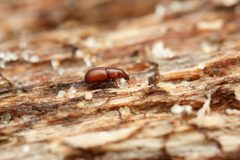
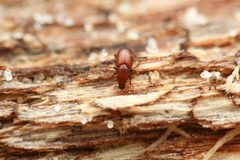
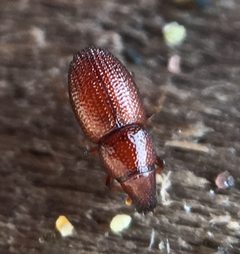
1Elassoptes is a of true weevils ( Curculionidae) containing a single , Elassoptes marinus. The genus was established by George Henry Horn in 1873. As a member of the largest family, it possesses the characteristic elongated rostrum (snout) typical of weevils. The genus is rarely encountered in collections and field observations, with limited biological data available.
Pronunciation
How to pronounce Elassoptes: /ɛˈlæsɒptiz/
These audio files are automatically generated. While they are not always 100% accurate, they are a good starting point.
Identification
The is distinguished by its status—only Elassoptes marinus is included. Without -level examination, generic identification relies on placement within Curculionidae combined with the specific epithet reference to marine or coastal (marinus). Detailed morphological diagnostic features for the genus versus other Curculionidae genera are not well documented in available sources.
Images
More Details
Taxonomic Note
The name Elassoptes derives from Greek elements suggesting 'small' or 'diminished' (elasso-) and 'one who feeds on' or 'devourer' (-ptes), though the etymological intent of Horn (1873) is not explicitly documented. The epithet marinus indicates an association with marine or coastal environments.