
Rhinoncus bruchoides
(Herbst, 1784)
Rhinoncus bruchoides is a weevil in the Curculionidae, first described by Herbst in 1784. The species has been documented in Belgium and Nova Scotia, Canada. As a member of the Rhinoncus, it belongs to a group of weevils associated with Polygonaceae plants. The species name 'bruchoides' refers to its resemblance to seed beetles in the family Bruchidae.
Pronunciation
How to pronounce Rhinoncus bruchoides: //rɪˈnɒŋkəs bruˈkɔɪdiːz//
These audio files are automatically generated. While they are not always 100% accurate, they are a good starting point.
Identification
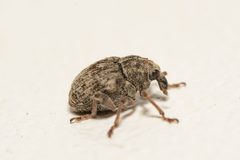
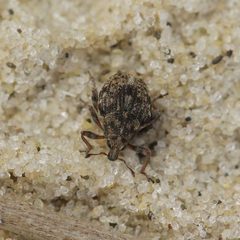
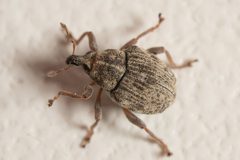
Rhinoncus are characterized by a compact, somewhat oval body shape and a short, broad rostrum relative to many other weevils. Rhinoncus bruchoides can be distinguished from by its bruchid-like (seed beetle-like) overall appearance, including a relatively short snout and convex body form. Specific diagnostic features require examination of genitalia and other fine morphological details.
Images
Habitat
Associated with supporting Polygonaceae plants, including docks and sorrels in the Rumex. Found in open, disturbed areas, meadows, and anthropogenic habitats where host plants occur.
Distribution
Documented from Belgium (multiple records) and Nova Scotia, Canada. The disjunct distribution suggests either broader unrecorded range or introduced status in North America.
Diet
Larvae develop within seeds of Polygonaceae, particularly Rumex . feed on foliage of plants.
Host Associations
- Rumex - larval larval development in seeds
- Polygonaceae - larval -level association
Life Cycle
Larvae develop inside seeds of plants, consuming the endosperm. occurs within the seed. emerge and feed on foliage. Specific timing of life stages varies with latitude and local climate.
Behavior
are active on plants during growing season. Larval development is endophytic, concealed within seeds.
Ecological Role
Seed of Polygonaceae, potentially influencing plant through seed mortality. Serves as prey for .
Human Relevance
Minor agricultural relevance as a seed of Rumex ; some Rumex are crop weeds, making this weevil potentially beneficial in contexts.
Similar Taxa
- Bruchidae (seed beetles)Convergent body form and seed-feeding ; distinguished by weevil characters including geniculate and rostral structure
- Other Rhinoncus speciesRequire detailed morphological examination, particularly of male genitalia and rostral proportions, for reliable identification
More Details
Etymology
The specific epithet 'bruchoides' derives from Bruchus (type of Bruchidae, seed beetles) + -oides (resembling), referring to the ' superficial resemblance to seed beetles in body shape and seed-feeding habit.
Taxonomic History
Originally described by J.F.W. Herbst in 1784, the has remained in the Rhinoncus, though the circumscription of this genus has been refined through phylogenetic studies of Curculionidae.