
Neophytobius cavifrons
Colonnelli, 1980
minute seed weevil
Neophytobius cavifrons is a of minute seed weevil in the Curculionidae, first described by Colonnelli in 1980. It is found in North America, with records from Alberta and British Columbia in Canada. As a member of the Neophytobius, it belongs to a group of small weevils associated with seeds. The species is known from only a handful of observations, indicating it is rarely encountered or poorly sampled.
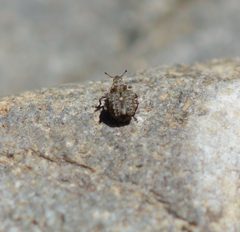
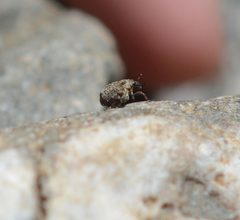
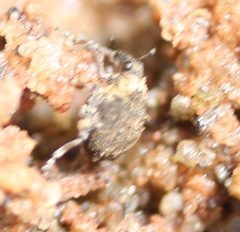
Pronunciation
How to pronounce Neophytobius cavifrons: /niːoʊfaɪˈtoʊbiəs ˈkeɪvɪfrɒnz/
These audio files are automatically generated. While they are not always 100% accurate, they are a good starting point.
Identification
Distinguishing N. cavifrons from other Neophytobius and similar small curculionid seed weevils requires examination of fine morphological details, particularly of the rostrum, , and genitalia. The specific epithet suggests the frontal cavity is a key diagnostic feature. Accurate identification typically requires reference to the original description or taxonomic keys for the .
Images
Appearance
As a minute seed weevil, N. cavifrons is small in body size. The specific epithet "cavifrons" (hollow-fronted) likely refers to a concave or depressed frontal region of the , a characteristic feature of this . Like other members of Curculionidae, it possesses a well-developed rostrum with at the tip. Detailed morphological descriptions of this species have not been widely published in accessible literature.
Habitat
Specific details are not documented in available sources. As a seed weevil, it likely occurs in environments where its plants produce seeds.
Distribution
Documented from North America, with confirmed records from the Canadian provinces of Alberta and British Columbia. The full extent of its range within North America remains incompletely known.
Diet
As a seed weevil, and larvae likely feed on seeds, though specific plants have not been documented.
Ecological Role
Likely functions as a seed , potentially influencing plant through seed consumption, though specific ecological impacts have not been studied.
Similar Taxa
- Other Neophytobius speciesCongeneric share the general of minute seed weevils and require detailed examination for separation; N. cavifrons is distinguished by its frontal cavity and other subtle characters.
- Other small Curculionidae associated with seedsNumerous small weevil occupy similar ; accurate identification to genus requires examination of rostrum structure, antennal insertion, and other technical characters.
More Details
Taxonomic history
Described by Enzo Colonnelli in 1980, a in Curculionidae who has described numerous weevil .
Data scarcity
Only 5 observations are recorded in iNaturalist, and the receives minimal mention in general entomological literature, suggesting it is either genuinely rare, cryptic, or occurs in that are poorly sampled by entomologists.