
Cnemogonini
minute seed weevils
Genus Guides
10- Acanthoscelidius(minute seed weevils)
- Asperauleutes
- Auleutes
- Cnemogonus(minute seed weevils)
- Craponius(minute seed weevils)
- Dietzella
- Orchestomerus(minute seed weevils)
- Parauleutes
- Perigaster(minute seed weevils)
Cnemogonini is a tribe of minute seed weevils within the weevil Curculionidae. The tribe comprises 15 , including economically notable genera such as Auleutes and Cnemogonus. Members are small beetles associated with seeds of various plants. The tribe is primarily distributed in the Nearctic and Palearctic regions.
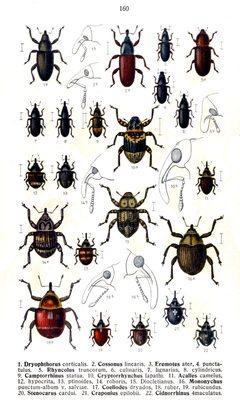
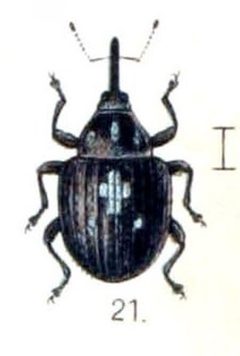
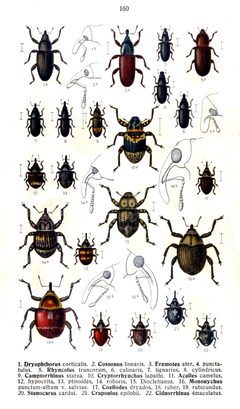
Pronunciation
How to pronounce Cnemogonini: /ˌnɛmoˈɡoʊnɪˌnaɪ/
These audio files are automatically generated. While they are not always 100% accurate, they are a good starting point.
Identification
Cnemogonini are distinguished from other Curculionidae tribes by their small body size and association with seed-feeding habits. The tribe can be separated from related tribes such as Curculionini by subtle characters of the rostrum and antennal insertion. Specific identification to requires examination of genitalia and other microscopic features. The genus Auleutes is recognized by its distinctive body shape and association with Chenopodiaceae plants.
Images
Habitat
Members of this tribe are found in where their plants occur, including agricultural fields, disturbed ground, and natural vegetation . They are particularly associated with weedy and environments where their host plants thrive.
Distribution
The tribe has a primarily Holarctic distribution, with records from North America (Nearctic) and Eurasia (Palearctic). Specific show varying distributions: Cnemogonus and Auleutes are widespread in North America, while other genera such as Parauleutes have more restricted ranges.
Seasonality
Activity patterns vary by and region. In temperate North America, are most commonly encountered from late spring through early autumn, coinciding with seed development of plants.
Diet
All members are seed feeders, with larvae developing inside seeds and feeding on seed tissues. Specific associations are documented for some : Auleutes feed on Chenopodiaceae (including beet and spinach), while other genera attack various herbaceous plant seeds.
Host Associations
- Chenopodiaceae - larval Primary for Auleutes
Life Cycle
Development occurs within seeds. are deposited into developing seeds or seed pods. Larvae feed internally, consuming the seed endosperm, and pupate within the seed. emerge through exit holes. The is typically , though some may show partial second in favorable conditions.
Behavior
are active walkers and capable of . They are attracted to plant volatiles and aggregate on seed-bearing plants. When disturbed, they drop from plants and feign death. Some are known to overwinter as adults in protected locations.
Ecological Role
As seed , members of this tribe influence plant and seed bank composition. They may serve as food for insectivorous birds and small mammals. Some are considered beneficial as agents of weedy plants, while others are agricultural pests.
Human Relevance
Several are minor agricultural pests of crops including sugar beet, spinach, and amaranth. The beet cyst status has been investigated for some Auleutes species but remains unconfirmed. They are of interest to agricultural entomologists for programs.
Similar Taxa
- CurculioniniOverlaps in general and seed-feeding habits; distinguished by rostrum structure and antennal insertion details
- TychiiniSimilar small size and seed-feeding ; separated by differences in tarsal structure and male genitalia
More Details
Taxonomic history
The tribal classification of Cnemogonini has undergone revision, with some transferred from other tribes based on phylogenetic studies. The genus Parauleutes was erected in 2004 to accommodate previously misplaced in Auleutes.