
Pseudobaris
Fairmaire, L., 1897
flower weevils
Species Guides
5- Pseudobaris angusta(flower weevil)
- Pseudobaris farcta
- Pseudobaris nigrina(flower weevil)
- Pseudobaris pectoralis(flower weevil)
- Pseudobaris sobrina(flower weevil)
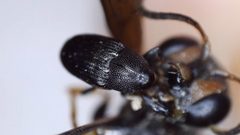
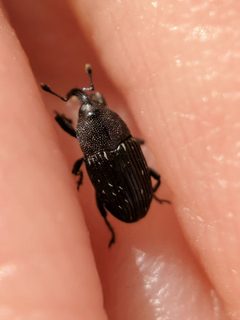
Pseudobaris is a of flower weevils in the Curculionidae, established by Fairmaire in 1897. The genus contains at least 100 described . Members are small beetles characterized by the elongated rostrum typical of weevils. They are associated with flowers, though specific ecological relationships remain poorly documented for most species.
Pronunciation
How to pronounce Pseudobaris: /ˌsjuːdoʊˈbæɹɪs/
These audio files are automatically generated. While they are not always 100% accurate, they are a good starting point.
Identification
Distinguished from other flower weevil primarily by characters of the rostrum, including its length relative to the and pronotum, and the position of antennal insertion. Accurate identification to level requires reference to specialized taxonomic literature and examination of genitalic structures. The genus is part of the diverse Curculionidae Baridinae or related groups, and separation from similar genera such as Baris requires detailed morphological analysis.
Images
Habitat
Associated with flowering plants, though specific preferences vary by . Most species likely inhabit terrestrial environments where their plants occur, including grasslands, forests, and disturbed areas.
Distribution
Widespread distribution with recorded across multiple regions; specific range boundaries for the as a whole are poorly documented due to taxonomic complexity and understudied fauna in many regions.
Seasonality
activity likely coincides with flowering periods of associated plants, though specific seasonal patterns are documented for few .
Similar Taxa
- BarisSimilar flower weevil with overlapping ; distinguished by rostral and antennal characters requiring detailed examination
- Other Baridinae generaNumerous related share compact body form and flower-associated habits; precise identification requires keys
More Details
Taxonomic Complexity
With over 100 described and likely many undescribed, Pseudobaris represents a taxonomically challenging group. Many species were described in the late 19th and early 20th centuries, and modern revisions are needed to clarify species boundaries and geographic distributions.
Research Status
The is understudied biologically; most are known only from and original descriptions. Ecological data, including plant relationships and larval , are largely unknown.