
Betulapion simile
(Kirby, 1811)
Birch Catkin Weevil
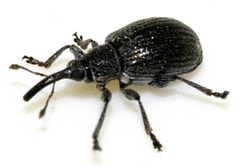
Betulapion simile is a small weevil in the Brentidae, commonly known as the Birch Catkin Weevil. The species was originally described as Apion simile by Kirby in 1811 and later transferred to the Betulapion. It is associated with birch trees (Betula species), where and larvae develop in catkins. The species has been recorded from multiple European countries including Belgium and Norway.


Pronunciation
How to pronounce Betulapion simile: /bɛˌtjuːlæˈpaɪən ˈsɪmɪleɪ/
These audio files are automatically generated. While they are not always 100% accurate, they are a good starting point.
Identification
Distinguished from other Betulapion by association with Betula and subtle morphological characters of the rostrum and body proportions. Accurate identification typically requires examination of genitalia or reference to keys for European Apioninae.
Images
Habitat
Associated with birch woodland and areas where birch trees (Betula ) occur. Development occurs within birch catkins.
Distribution
Recorded from Belgium and Norway based on available distribution data. Likely more widespread across the Palearctic region where birch occurs, though specific records are limited in the provided sources.
Diet
Larval development occurs within birch catkins, feeding on developing floral tissues and seeds. feed on birch tissues associated with catkins.
Host Associations
- Betula - OBLIGATEDevelopment occurs in catkins of birch
Life Cycle
Larvae develop inside birch catkins, feeding on the developing tissues. occurs within the catkin. emerge and are associated with catkins during the flowering period of birch.
Ecological Role
Seed of birch, potentially influencing birch reproductive success through catkin herbivory.
Human Relevance
Minor economic significance; occasionally noted as a pest of birch in forestry or ornamental contexts due to catkin damage, though not considered a major pest .
Similar Taxa
More Details
Taxonomic Note
The placement of Betulapion has been historically unstable. The has been treated in Apionidae (traditional narrow sense) or Brentidae (broader sense, as Apioninae). NCBI lists it in Apionidae, while GBIF and iNaturalist place it in Brentidae. The was originally described as Apion simile by Kirby in 1811.