Stenopterapion meliloti
(Kirby, 1808)
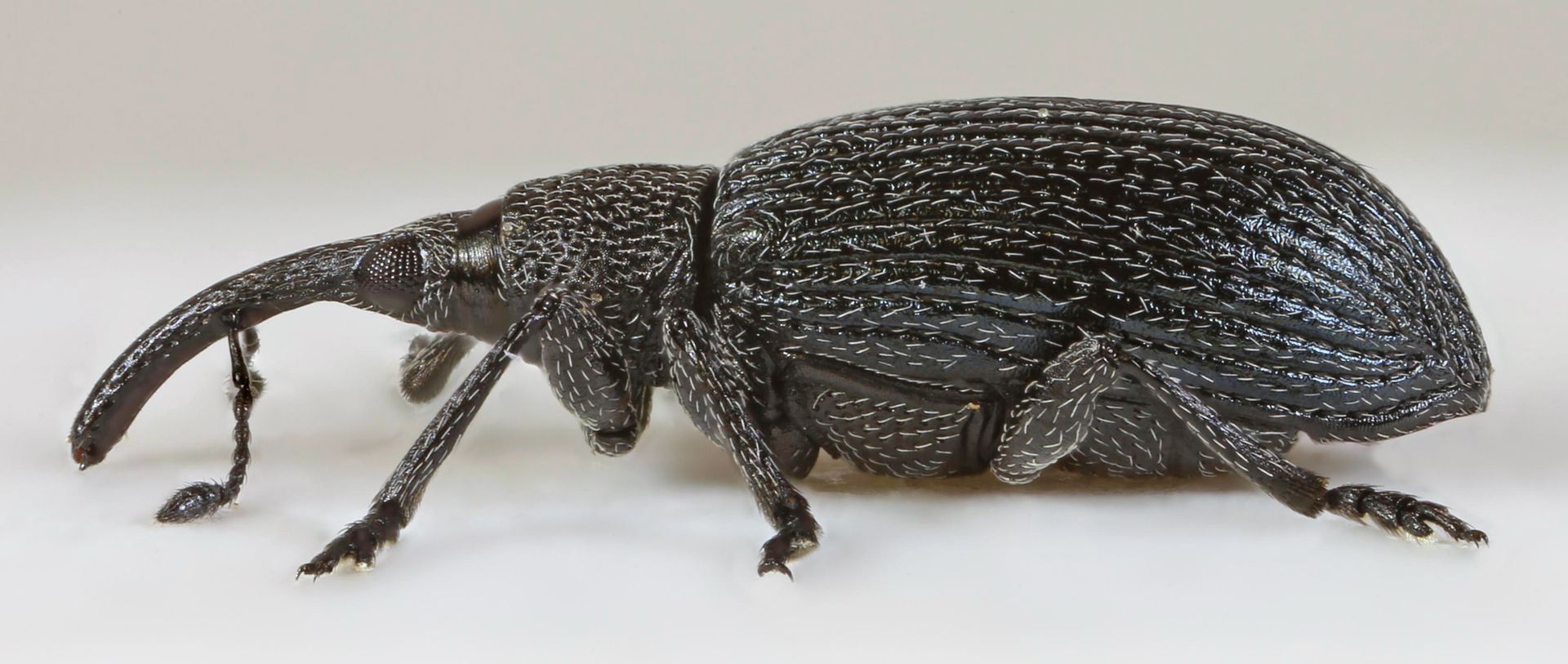
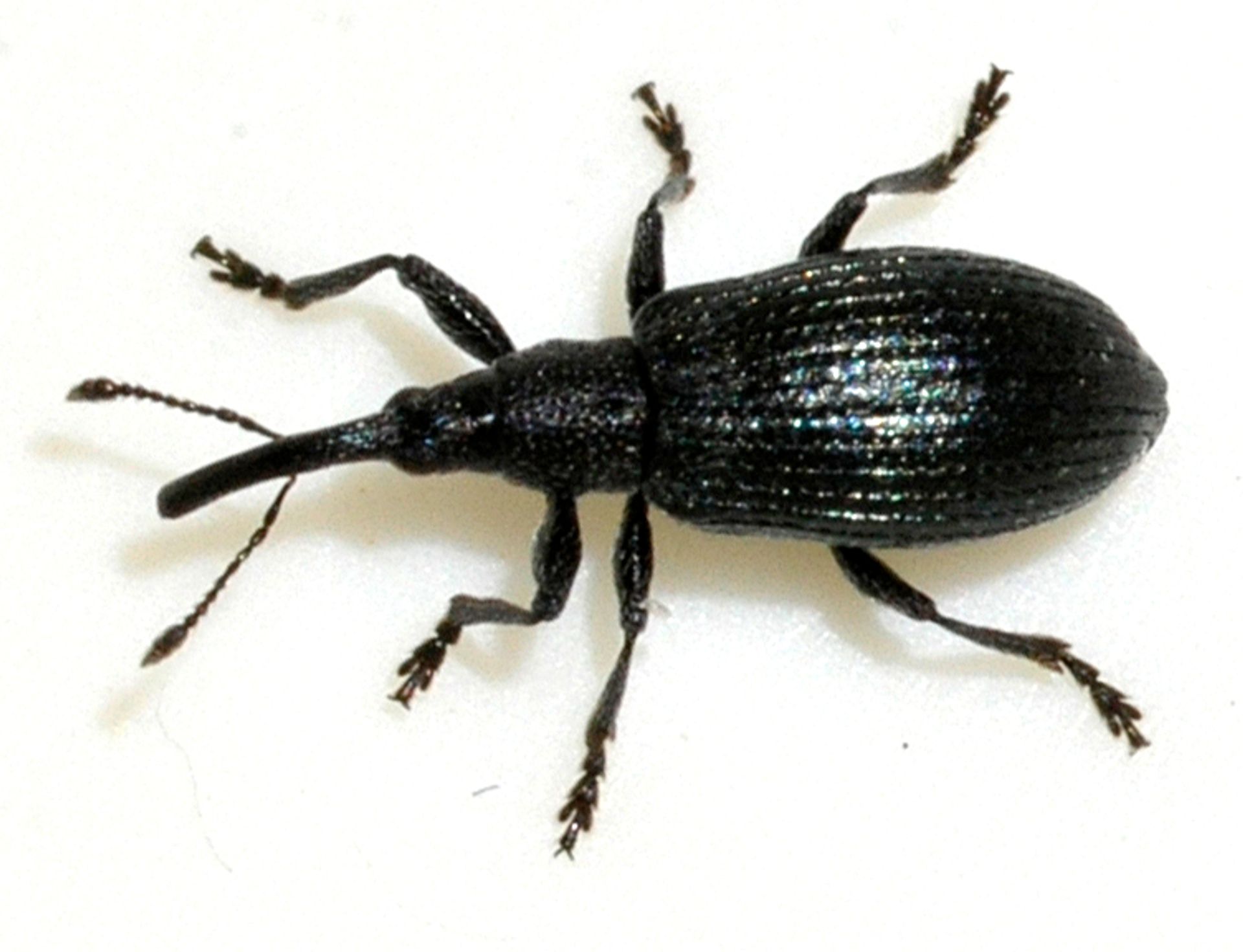
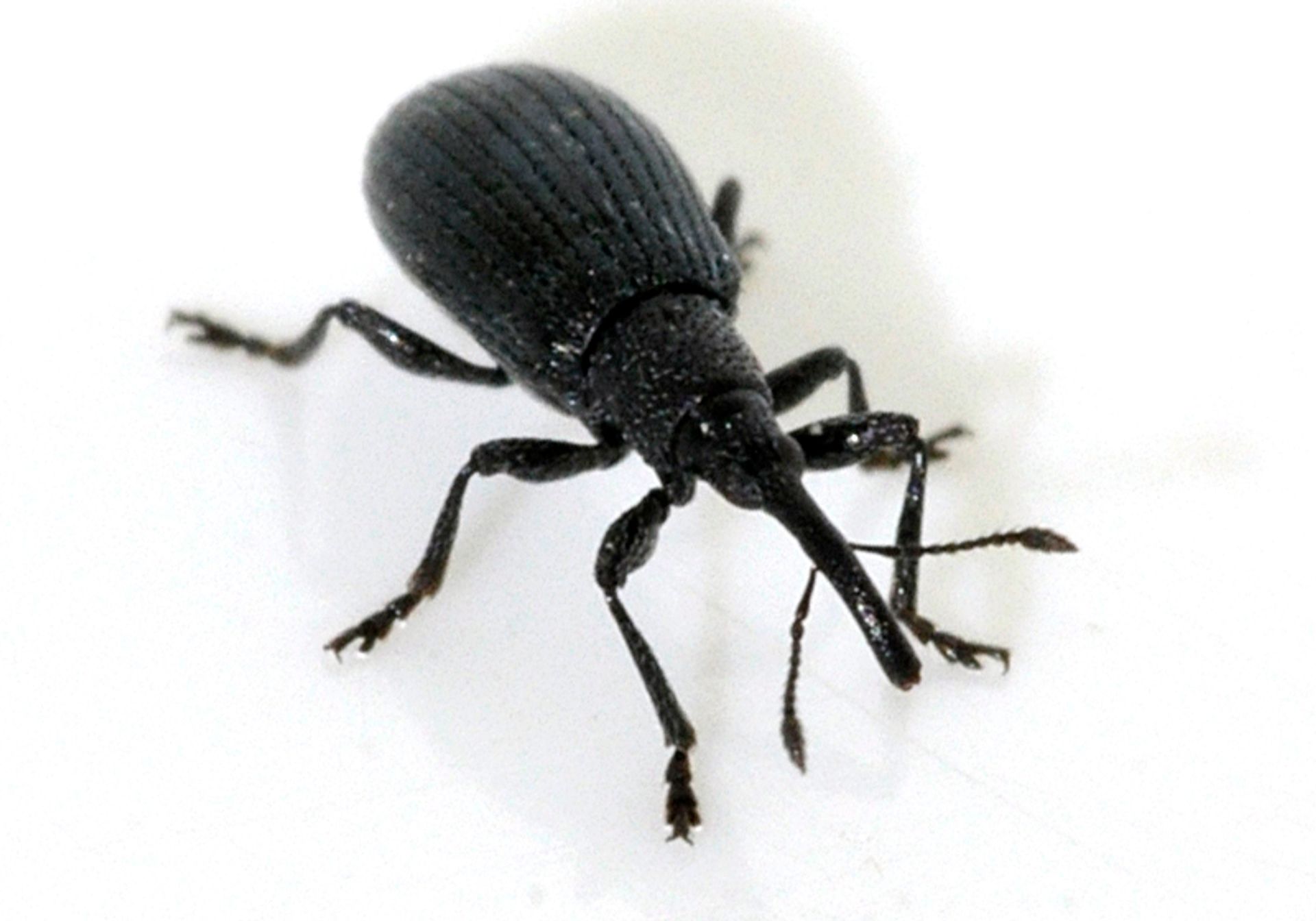
Stenopterapion meliloti is a of pear-shaped weevil first described by Kirby in 1808. It belongs to the Brentidae, a group of straight-snouted weevils. The species has been documented in parts of Europe and North America, with observations concentrated in Belgium and Quebec, Canada. Its specific epithet 'meliloti' suggests an association with plants in the Melilotus (sweet clover), though this relationship requires confirmation.
Pronunciation
How to pronounce Stenopterapion meliloti: //ˌstɛ.nəʊˈtɛɹ.eɪ.pɪˌɒn ˌmɛ.lɪˈloʊ.ti//
These audio files are automatically generated. While they are not always 100% accurate, they are a good starting point.
Identification
Distinguished from other Stenopterapion by subtle morphological features of the rostrum and body proportions; exact diagnostic characters require examination. The pear-shaped body profile separates it from more elongate brentid .
Images
Distribution
Recorded from Belgium and Quebec, Canada. The disjunct distribution suggests either widespread but patchy occurrence or incomplete sampling across its actual range.
Similar Taxa
- Other Stenopterapion speciesCongeneric share the pear-shaped body form and require detailed examination of rostrum structure, antennal placement, and genitalia for separation
- Apionidae (if treated as separate family)NCBI classifies this in Apionidae while other sources place it in Brentidae; this reflects ongoing taxonomic debate about -level boundaries in this weevil group
More Details
Taxonomic note
placement varies between sources: GBIF and iNaturalist list Brentidae, while NCBI uses Apionidae. This reflects historical and ongoing taxonomic instability in the superfamily Curculionoidea, with Apionidae sometimes treated as a (Apioninae) within Brentidae.
Etymology
The specific epithet 'meliloti' derives from Melilotus, a of leguminous plants (sweet clover), suggesting a possible but unconfirmed association.