Podapion
Riley, 1883
pine gall weevils
Species Guides
1- Podapion gallicola(Pine Gall Weevil)
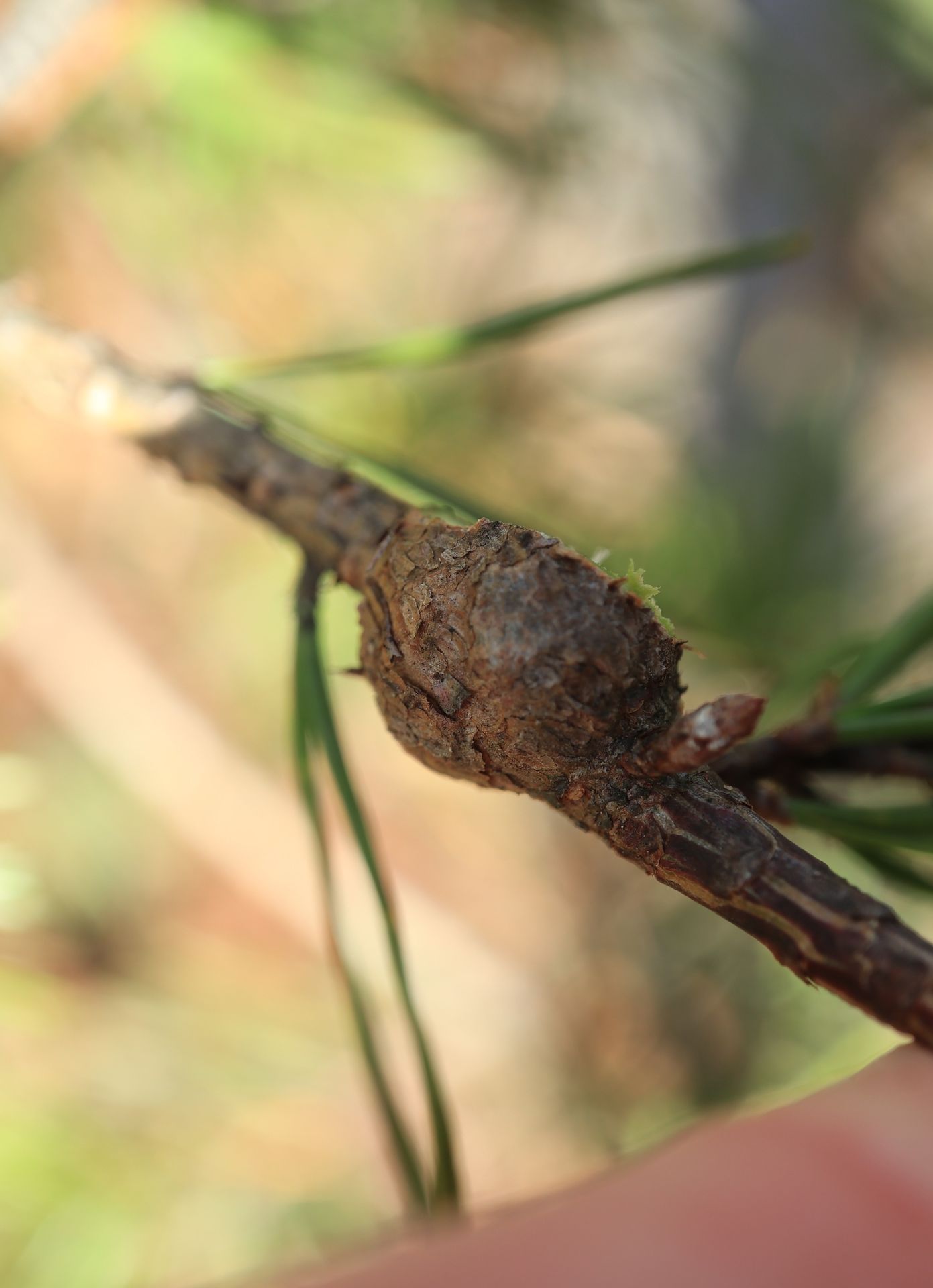
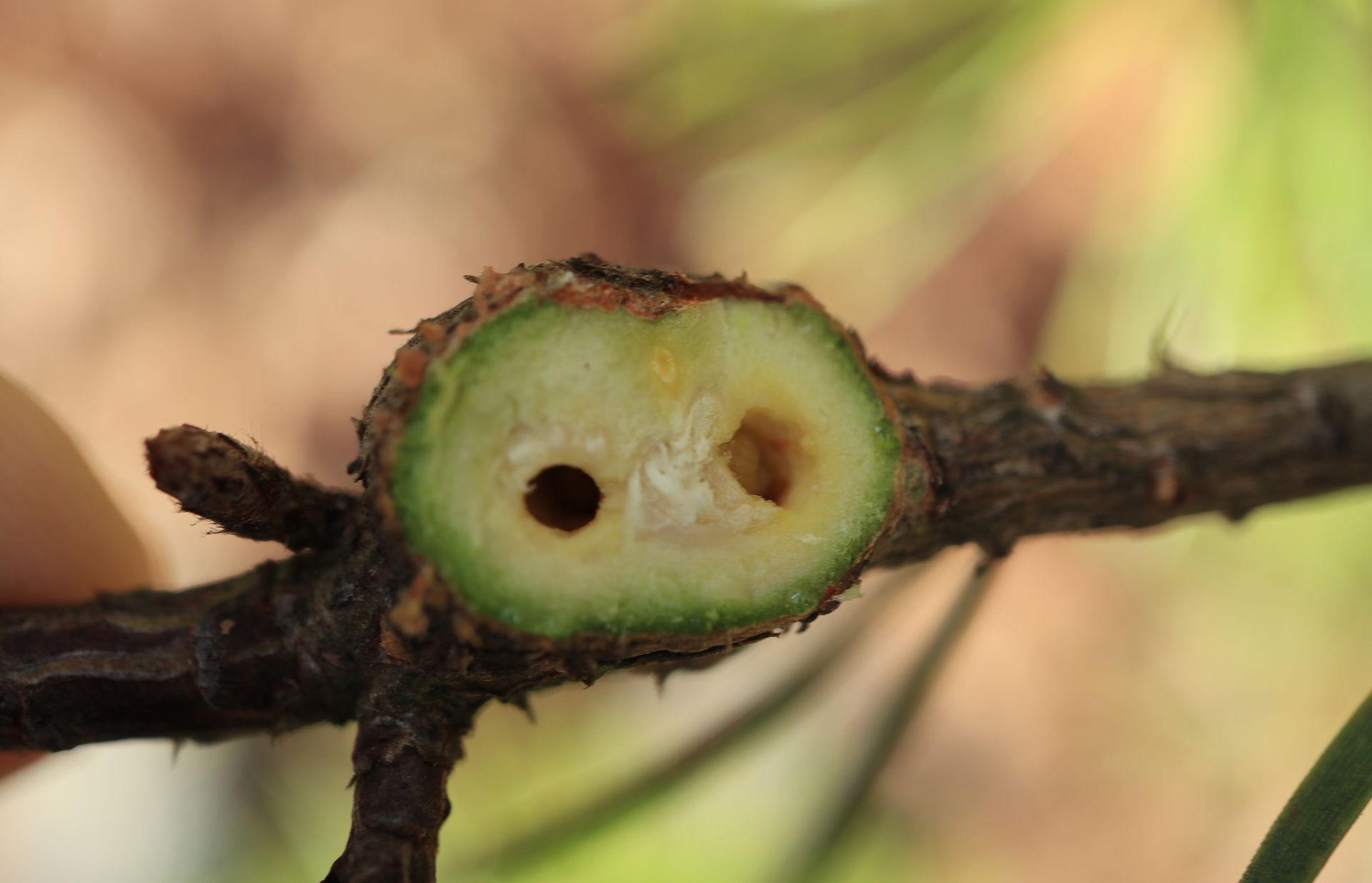
Podapion is a of weevils in the Brentidae, commonly known as pine gall weevils. The genus contains that induce gall formation on pine trees, with documented spanning multiple years. Research on Podapion gallicola indicates a three-year developmental period involving specific gall induction on branches.
Pronunciation
How to pronounce Podapion: /ˌpoʊ.dəˈpaɪ.ən/
These audio files are automatically generated. While they are not always 100% accurate, they are a good starting point.
Identification
Members of this are distinguished from other brentid weevils by their association with pine galls. Specific diagnostic features for the genus are not documented in available sources.
Images
Habitat
Coniferous forests, specifically associated with pine . Based on P. gallicola observations, inhabits branch internodes of trees where galls develop.
Distribution
North America; documented from Michigan, USA. Broader range within regions supporting pine is plausible but not confirmed.
Seasonality
activity from June to August based on P. gallicola observations in Michigan. patterns may vary across and geographic regions.
Diet
Larvae feed on cambium and xylem tissues of pine branches. Specific feeding habits documented for P. gallicola on Pinus resinosa; other ' diets are not established.
Host Associations
- Pinus resinosa Ait. - red pine; documented for P. gallicola
Life Cycle
Three-year documented for P. gallicola: deposition June–August; larval August with group feeding toward cambium followed by radiating along xylem; gall development begins June of second year coinciding with second instar; third instar begins June of third year; May of fourth season; emergence June. occurs in egg stage or larval instars; adults do not overwinter.
Behavior
Larvae exhibit initial group feeding before dispersing along xylem tissues. Gall induction represents a notable behavioral trait. do not overwinter.
Ecological Role
Induces gall formation on pine branches, potentially affecting tree growth and branch architecture. Specific impacts beyond individual host effects are not documented.
Human Relevance
May affect managed pine stands through gall-induced branch deformities. Not documented as a major economic pest.
Similar Taxa
- Other BrentidaePodapion are distinguished by their specific gall-forming association with Pinus; most other brentids do not induce pine galls.
- Other pine-associated weevil generaGall induction on pine branches is a distinctive trait; other weevils may feed on pines but do not produce the characteristic branch galls of Podapion.
More Details
Family placement
Podapion has been variously placed in Brentidae or Apionidae depending on taxonomic authority. GBIF and iNaturalist recognize Brentidae; NCBI places it in Apionidae.