
Rhopalotria
Chevrolat, 1878
Cycad Weevils
Species Guides
2Rhopalotria is a of cycad weevils in the Belidae, comprising approximately six described . Species in this genus are obligate of Zamia cycads in the Americas, forming specialized mutualisms where they complete their entire within male cones. The genus represents a classic example of insect-plant , with weevils transporting pollen to female cones during visits while feeding and reproducing exclusively on male sporophylls.
Pronunciation
How to pronounce Rhopalotria: /roʊpəˈloʊtriə/
These audio files are automatically generated. While they are not always 100% accurate, they are a good starting point.
Identification
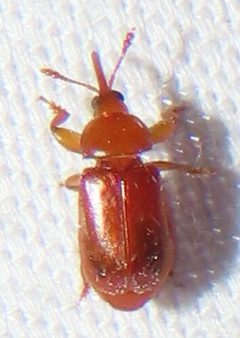
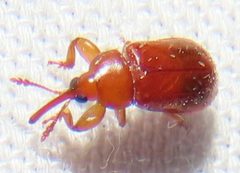
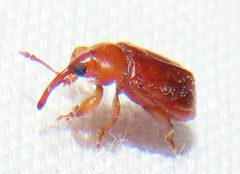
Rhopalotria are distinguished from other Belidae by their obligate association with cycad cones and specific pollination . They can be separated from the related cycad-associated Pharaxanotha ( Erotylidae) by family-level characters: Belidae possess straight lacking a distinct club, while Erotylidae have clubbed antennae. Within Belidae, Rhopalotria species are identified by their small size, elongated snout (rostrum), and association with Zamia rather than other cycad genera. Species-level identification requires examination of male genitalia and subtle differences in rostrum length and body proportions.
Images
Habitat
Strictly associated with cycad plants, particularly of Zamia. All life stages occur within male cones (strobili) of cycads. are found on or within male cones where mating, feeding, and oviposition take place. Larvae develop inside microsporophyll tissue of male cones. Some larvae enter within thick-walled pupal cases inside microsporangial stalks of pollen-depleted cones, remaining until the next reproductive season of the host cycad.
Distribution
Native to the Americas, with distributed across Mexico, Central America, the Caribbean, and the southeastern United States. The shows its highest diversity in tropical and subtropical regions where Zamia cycads are abundant. Specific distribution patterns vary by species: R. mollis is associated with Mexican Zamia furfuracea, R. slossoni occurs with Zamia integrifolia in Florida, and other species have more restricted ranges in Central America and the Caribbean.
Seasonality
Activity is synchronized with the reproductive of Zamia . emerge and become active during male cone development and pollen release. Breeding season concludes when host cones become pollen-depleted, at which point some larvae enter until the next reproductive season. This creates a tightly coupled seasonal cycle between weevil and cycad.
Diet
Larvae feed exclusively on parenchyma tissue of microsporophylls in male cycad cones. feed on starch-rich sporophylls of male cones; they do not feed on pollen or damage microsporangia. Adults visit female cones but do not feed upon or within them.
Host Associations
- Zamia furfuracea - and obligate associate; complete occurs within male conesR. mollis ; Mexican origin
- Zamia integrifolia - and obligate associateR. slossoni ; Florida
- Zamia spp. - and obligate associateVarious across range
Life Cycle
Complete with all stages occurring within male cycad cones. are laid on or within male sporophylls. Larvae feed on microsporophyll parenchyma, then pupate within stalks of microsporophylls. emerge from outer ends of microsporophylls. Toward the end of the breeding season, some larvae enter in thick-walled pupal cases within microsporangial stalks of spent cones, resuming development when cycads reproduce again.
Behavior
swarm on male cones for mating, feeding, and oviposition. -specific to particular Zamia . Pollen transport to female cones occurs during adult visitation; this is the sole mechanism of pollination for associated cycads. Adults do not feed on female cones despite visiting them. Larval feeding is restricted to male cone tissue and does not damage pollen-bearing structures.
Ecological Role
Obligate of Zamia cycads, forming a mutualistic relationship where weevil depends entirely on male cones and cycad reproduction depends entirely on weevil pollen transport. This represents one of the most specialized pollination mutualisms known, with complete interdependence between insect and plant.
Human Relevance
Of scientific interest as a model system for studying and specialized pollination mutualisms. The has no known agricultural or economic significance. Conservation concerns arise from loss affecting both the weevils and their endangered cycad .
Similar Taxa
- Pharaxanotha floridanaAlso pollinates Zamia integrifolia in Florida, but belongs to Erotylidae (pleasing fungus beetles) rather than Belidae; distinguished by clubbed and different larval
- Other BelidaeMost Belidae feed on dead or dying plant tissue, bark, or fungi rather than living cycad cones; Rhopalotria is unique in its obligate cycad cone specialization
More Details
Taxonomic History
The was described by Chevrolat in 1878. have been variously placed in different over time; modern classification places Rhopalotria in Belidae within the superfamily Curculionoidea (weevils and relatives), though some older treatments may reference Curculionidae.
Conservation Significance
Because Rhopalotria are obligate of Zamia cycads, and many Zamia species are endangered, conservation of these weevils is directly tied to cycad conservation. Disruption of this mutualism threatens both partners with extinction.
Species Diversity
Currently six described : R. dimidiata, R. furfuracea, R. mollis, R. slossonae, R. slossoni, and R. vovidesi. Note that R. slossonae and R. slossoni appear to be duplicate entries for the same described by Schaeffer in 1905.
Sources and further reading
- BugGuide
- Wikipedia
- GBIF taxonomy match
- iNaturalist taxon
- NCBI Taxonomy
- Catalogue of Life
- INSECT‐CYCAD SYMBIOSIS AND ITS RELATION TO THE POLLINATION OF ZAMIA FURFURACEA (ZAMIACEAE) BY RHOPALOTRIA MOLLIS (CURCULIONIDAE)
- Behavior and Feeding of Two Beetle Pollinators of Zamia integrifolia (Cycadales): Rhopalotria slossoni (Coleoptera: Belidae) and Pharaxanotha floridana (Coleoptera: Erotylidae)
- Distribution and Evolutionary Patterns of the Cycad Weevil Genus <i>Rhopalotria</i> (Coleoptera: Curculionoidea: Belidae) with Emphasis on the Fauna of Panama