Auletobius
Desbrochers des Loges, 1869
Species Guides
4- Auletobius ater
- Auletobius cassandrae
- Auletobius humeralis(leaf or bud weevil)
- Auletobius nasalis
Auletobius is a of leaf and bud weevils ( Attelabidae) comprising at least 220 described . The genus was established in 1869 and includes several subgenera, notably Canarauletes, which has a main distribution in the Canary Islands and Madeira. Species occur across the Palearctic region, with particular diversity in Mediterranean and Macaronesian areas. Members are small weevils associated with vegetation, though specific ecological details vary among species.
Pronunciation
How to pronounce Auletobius: /ɔːlɛˈtoʊbiəs/
These audio files are automatically generated. While they are not always 100% accurate, they are a good starting point.
Identification
Identification to requires examination of morphological characters and often dissection of genitalia; molecular analysis (CO1) has been used to distinguish closely related species in subgenus Canarauletes. The is distinguished from other Rhynchitinae by combinations of rostral, antennal, and tarsal characters that require knowledge.
Images
Appearance
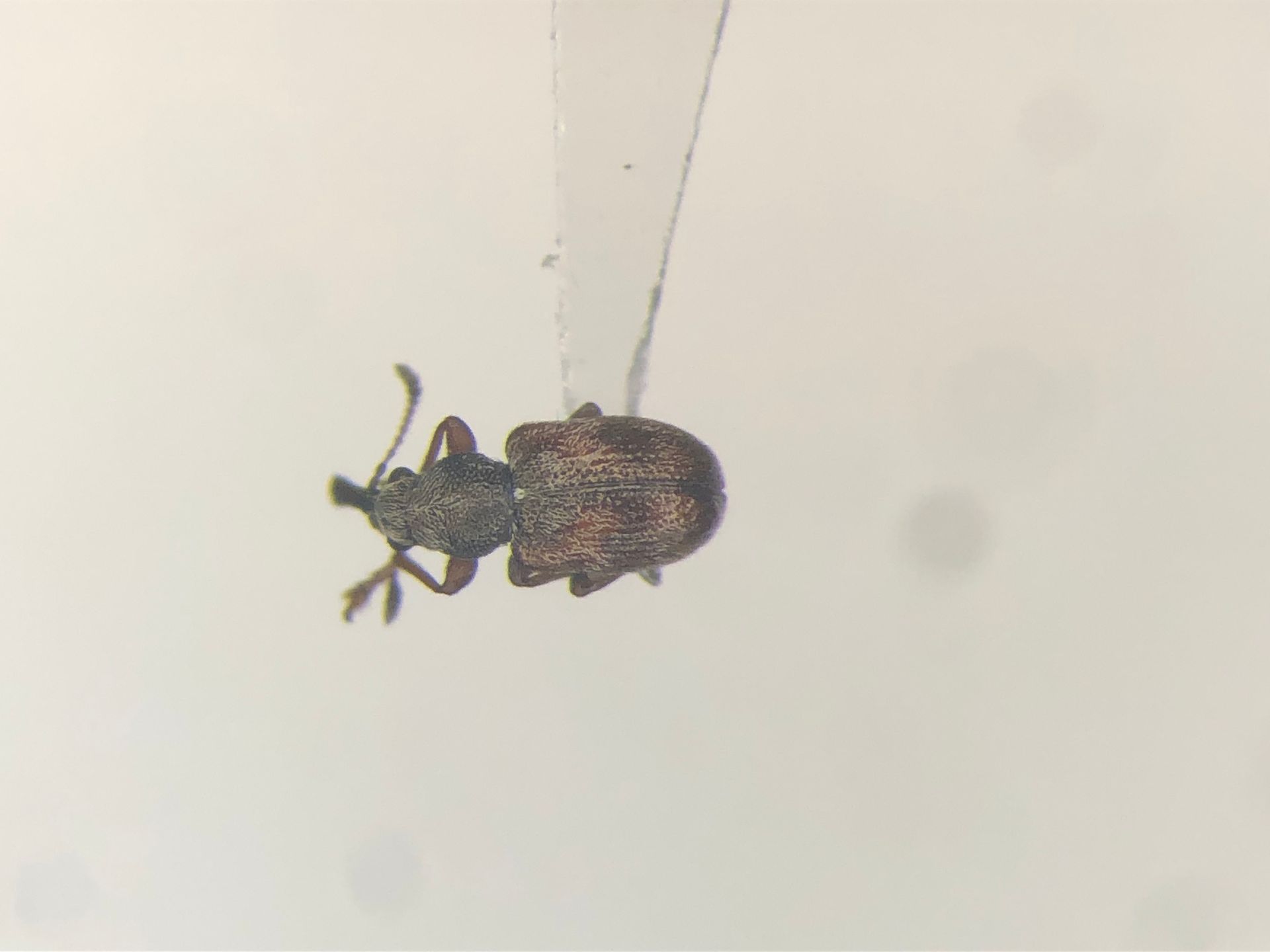
Small weevils with the characteristic elongated snout (rostrum) of Attelabidae. Body form generally compact. Specific morphological features vary among the numerous ; members of subgenus Canarauletes have been subject to molecular and morphological differential studies.
Habitat
Vegetated areas; specific requirements vary by . The subgenus Canarauletes is primarily associated with the insular environments of the Canary Islands and Madeira.
Distribution
Palearctic distribution with strong representation in the Mediterranean region and Macaronesia. Documented from southern Spain (Cádiz province), Morocco, the Canary Islands, and Madeira. The has broader distribution across Europe and adjacent regions.
Similar Taxa
- Other Rhynchitinae generaSimilar body plan and habits; distinguished by technical characters of rostrum, , and requiring detailed examination.
More Details
Taxonomic complexity
The contains at least 220 with ongoing taxonomic revision. Subgenus Canarauletes has been studied using both morphological and molecular (CO1) approaches, revealing cryptic diversity and misidentifications in historical collections.
Molecular studies
First molecular for subgenus Canarauletes was published in 2020, aiding resolution of boundaries in this morphologically conservative group.