Nitops
Murray, 1864
Species Guides
4- Nitops craigheadi
- Nitops floralis
- Nitops ophthalmicus
- Nitops pallipennis(Cactus Sap Beetle)
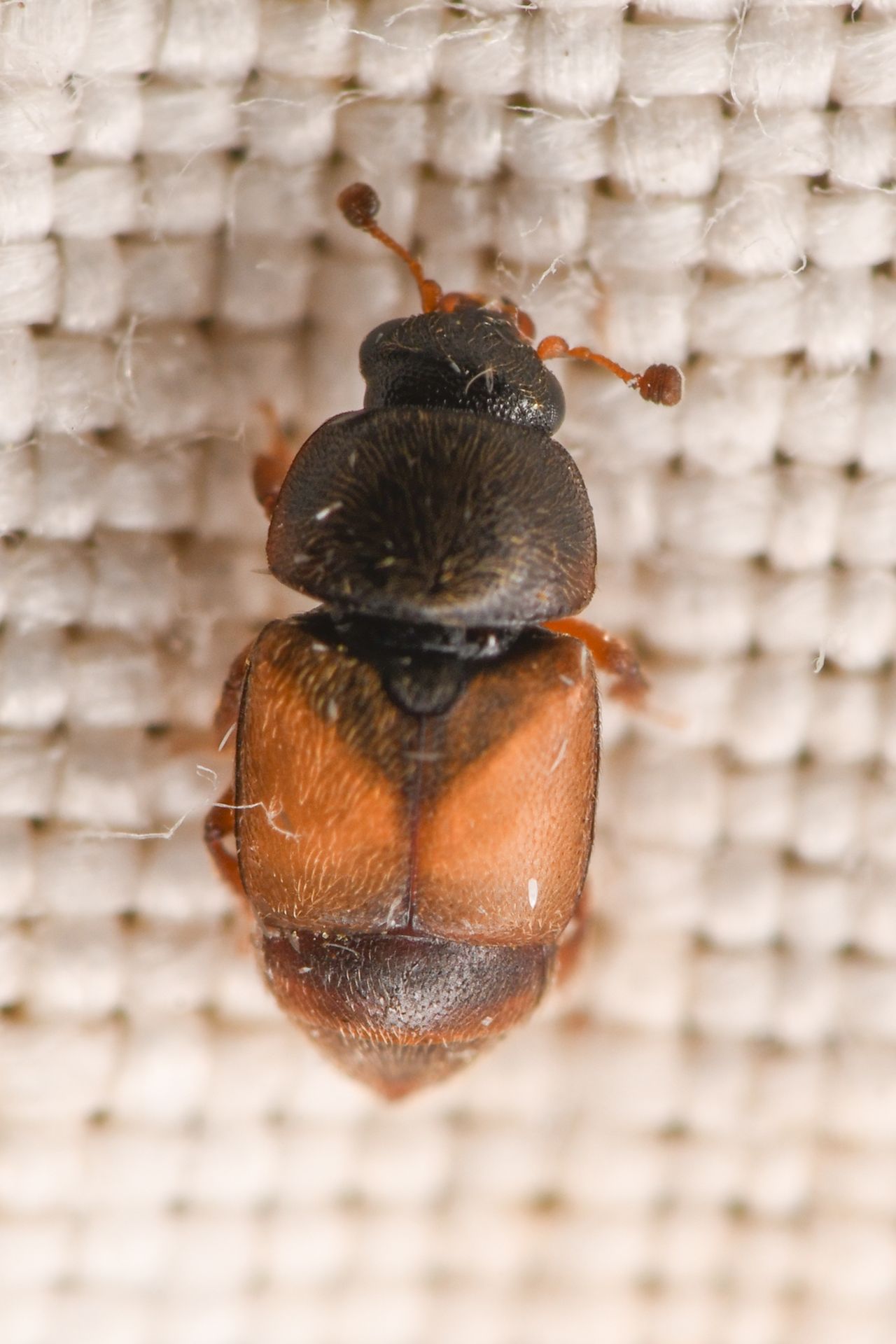
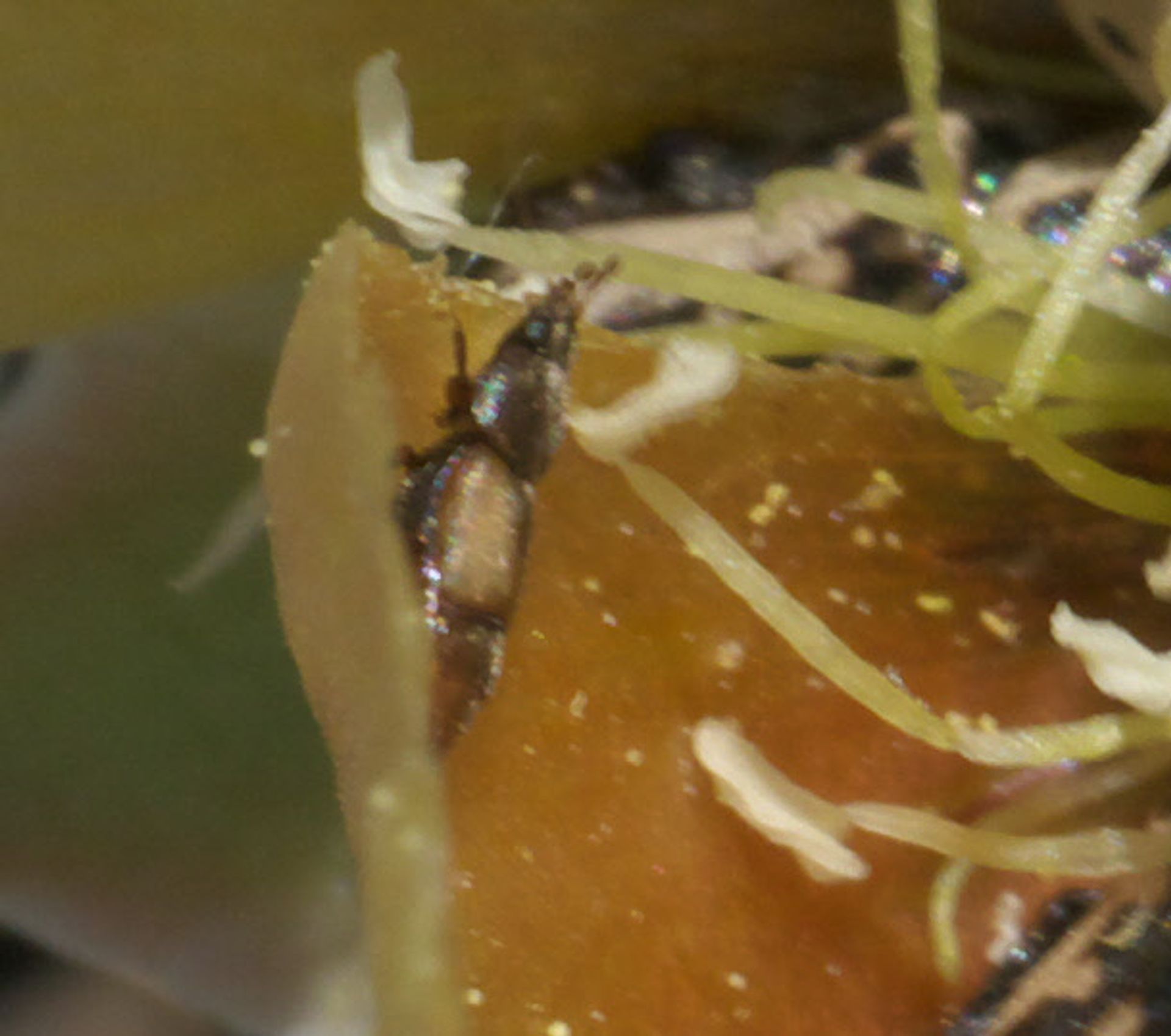
Nitops is a of small beetles in the Nitidulidae, commonly known as sap beetles. The genus was established by Murray in 1864 and is currently accepted as valid. in this genus are associated with decaying plant matter and fungal . The genus has been documented in 695 iNaturalist observations, indicating moderate citizen science engagement.
Pronunciation
How to pronounce Nitops: /ˈnaɪ.tɒps/
These audio files are automatically generated. While they are not always 100% accurate, they are a good starting point.
Identification
Nitops can be distinguished from other Nitidulidae by their compact body form and specific antennal club structure, though definitive identification often requires examination of genitalia or other microscopic features. Separation from closely related genera such as Carpophilus and Glischrochilus requires knowledge of nitidulid .
Images
Ecological Role
As members of the Nitidulidae , Nitops likely function as decomposers, contributing to nutrient cycling in where they feed on decaying plant material and associated fungi.
Similar Taxa
- CarpophilusBoth belong to Nitidulidae and share small, oval body shapes; Carpophilus are generally more economically significant as pests of stored fruits and are often larger with more pronounced color patterns.
- GlischrochilusSimilar compact nitidulid ; Glischrochilus are frequently associated with sap flows and wounds on trees, and often show more contrasting elytral coloration.
More Details
Taxonomic History
The was described by Andrew Murray in 1864. The name 'Nitops' is an anagram of 'Nitops' — a common practice in 19th-century , though the etymological derivation from 'Opsinus' or other roots has been suggested.
Data Availability
Despite 695 iNaturalist observations, published -level biological data for Nitops remains sparse in accessible literature. Most ecological and behavioral information exists at the level (Nitidulidae) rather than -specific studies.