
Endomychinae
Leach, 1815
handsome fungus beetles
Genus Guides
3- Danae(Alexandrian laurels)
- Endomychus
- Stenotarsus(handsome fungus beetles)
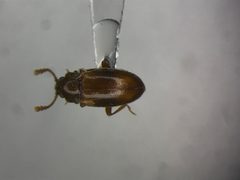
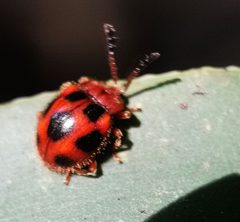
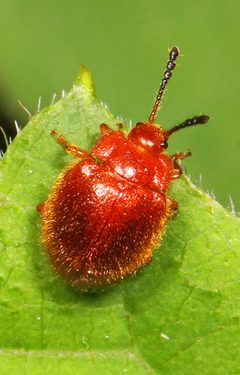
Endomychinae is a of Endomychidae (handsome fungus beetles) containing at least 4 and approximately 19 described . The subfamily was established by Leach in 1815. Representative genera include Danae, Endomychus, Saula, and Stenotarsus. Members are associated with fungal , consistent with -level .
Pronunciation
How to pronounce Endomychinae: /ˌɛndəˈmaɪkɪnaɪ/
These audio files are automatically generated. While they are not always 100% accurate, they are a good starting point.
Identification
Endomychinae can be distinguished from other Endomychidae by genitalic and tarsal characters, though specific diagnostic features vary by . The subfamily includes both compact and more elongate body forms. Definitive identification to subfamily level often requires examination of mouthpart structure and male genitalia.
Images
Habitat
Associated with fungal substrates, including fruiting bodies of basidiomycete fungi and decaying wood with fungal growth. Specific microhabitat preferences vary among constituent .
Distribution
Widespread in tropical and temperate regions; constituent show distinct biogeographic patterns. Danae and Endomychus have Palearctic and Oriental distributions, Saula is primarily Oriental, and Stenotarsus is predominantly Neotropical with some Oriental .
Diet
Mycophagous; feeds on fungal tissues. Specific dietary breadth varies among and .
Ecological Role
Contributes to fungal decomposition and nutrient cycling in forest . Serves as prey for various .
Human Relevance
No significant direct economic impact. Occasionally collected by entomologists and enthusiasts due to distinctive appearance of some .
Similar Taxa
- LycoperdininaeAnother of Endomychidae; distinguished by different tarsal formula and body proportions
- MycetinaeaFormerly treated as a of Endomychidae, now often elevated to rank; differs in wing venation and larval
More Details
Taxonomic History
Endomychinae has undergone significant revision; the Stenotarsus was formerly placed in its own Stenotarsinae by some authors. Current classification follows molecular and morphological phylogenetic studies placing these genera together.
Species Diversity
count of approximately 19 is conservative and based on described species; undescribed diversity, particularly in tropical Stenotarsus, likely exists.