
Nephus binaevatus
(Mulsant, 1850)
Dusky Lady Beetle
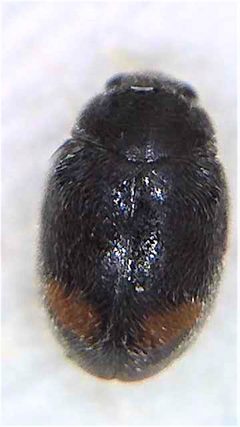
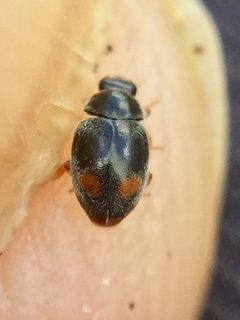
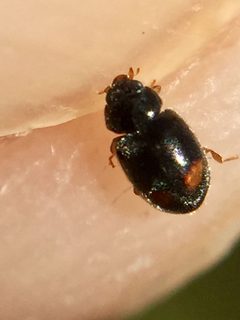
Nephus binaevatus is a small lady beetle in the Coccinellidae, commonly known as the Dusky Lady Beetle. The Nephus comprises diminutive lady beetles, many of which are associated with scale insects and as prey. This species has a notably broad geographic distribution spanning Africa, North America, and Oceania, suggesting either natural capabilities or human-mediated spread. The specific epithet 'binaevatus' refers to two spots or markings, though the exact pattern requires verification from specimen examination.
Pronunciation
How to pronounce Nephus binaevatus: /ˈneː.pʰus bɪ.næ.ˈwaː.tus/
These audio files are automatically generated. While they are not always 100% accurate, they are a good starting point.
Images
Distribution
Documented from three major biogeographic regions: Africa, North America, and Oceania. The disjunct distribution pattern across such distant landmasses is unusual and may reflect either broad native range, human-assisted introduction, or taxonomic issues requiring further study. Specific countries or regions within these continents are not detailed in available sources.
More Details
Taxonomic note
The broad geographic distribution (Africa, North America, Oceania) is atypical for a single lady beetle and warrants verification. This pattern could indicate: (1) a genuinely widespread species with strong ability, (2) multiple cryptic species currently treated as one, or (3) human-mediated introduction to some regions. The original description by Mulsant in 1850 provides the authoritative taxonomic foundation.
Genus context
Nephus are generally smaller than the familiar brightly colored lady beetles (Coccinella, Harmonia), often measuring under 3 mm. Many Nephus species are of scale insects (Coccoidea), though whether this applies specifically to N. binaevatus has not been confirmed.