
Mulsantina cyathigera
(Gorham, 1891)
Ivory Lady Beetle
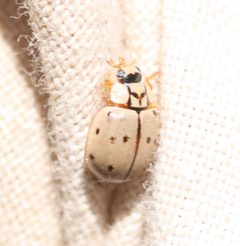
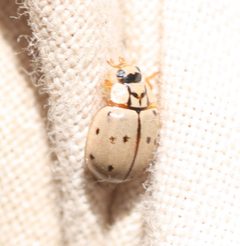
Mulsantina cyathigera is a small lady beetle (Coccinellidae) native to Central and North America, ranging from Guatemala through Mexico to the southern United States. measure 3.3–4.7 mm and are characterized by a yellow body with distinctive brown markings: an M-shaped pattern on the pronotum and six spots on the . The is commonly known as the Ivory Lady Beetle.
Pronunciation
How to pronounce Mulsantina cyathigera: //mʊlˈsæntɪnə saɪˈæθɪˌdʒɛrə//
These audio files are automatically generated. While they are not always 100% accurate, they are a good starting point.
Identification
Distinguished from other Mulsantina and North American lady beetles by the combination of: small size (under 5 mm), yellow ground color, M-shaped pronotal marking, and six elytral spots. The pale ivory-yellow base color separates it from most similarly spotted species, which tend toward orange or red.
Images
Distribution
Central America and North America: recorded from Guatemala, Mexico, and the southern United States.
Similar Taxa
- Other Mulsantina speciesShare -level characteristics but differ in color pattern and spot configuration
- Generalist Coccinellidae with spotted elytraSimilar body plan but typically larger, with red or orange rather than yellow base color, and different pronotal patterns
More Details
Taxonomic Note
The was described by Henry Stephen Gorham in 1891. The Mulsantina was established to honor French entomologist Étienne Mulsant.