Halmus chalybeus
(Boisduval, 1835)
steelblue ladybird, steelblue lady beetle
Halmus chalybeus, commonly known as the steelblue ladybird, is a small predatory native to Australia. It was deliberately introduced to New Zealand in 1899 and 1905 as a agent for scale insects on citrus trees and has since become established in northern regions. Both and larvae are active of small arthropods.
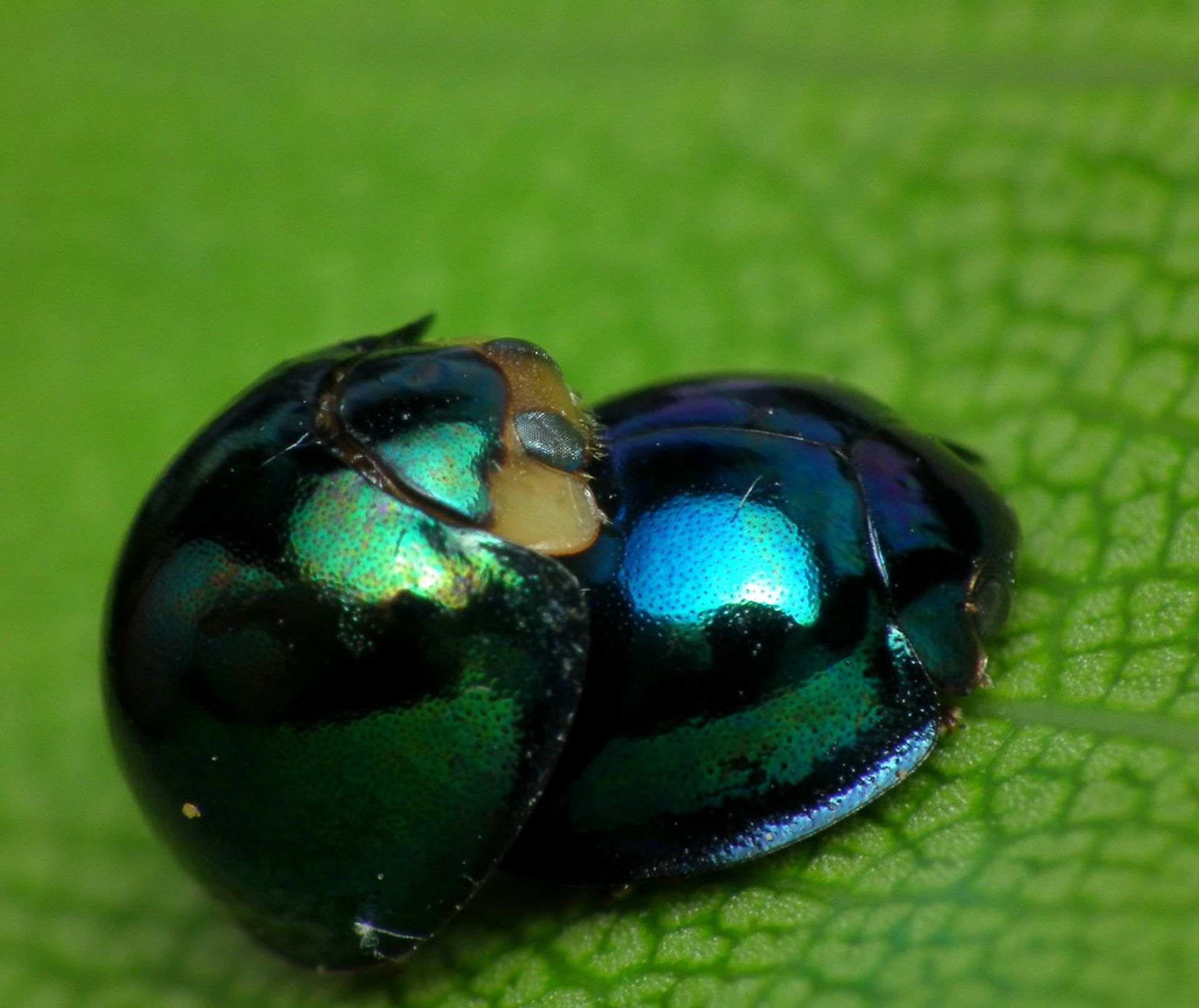
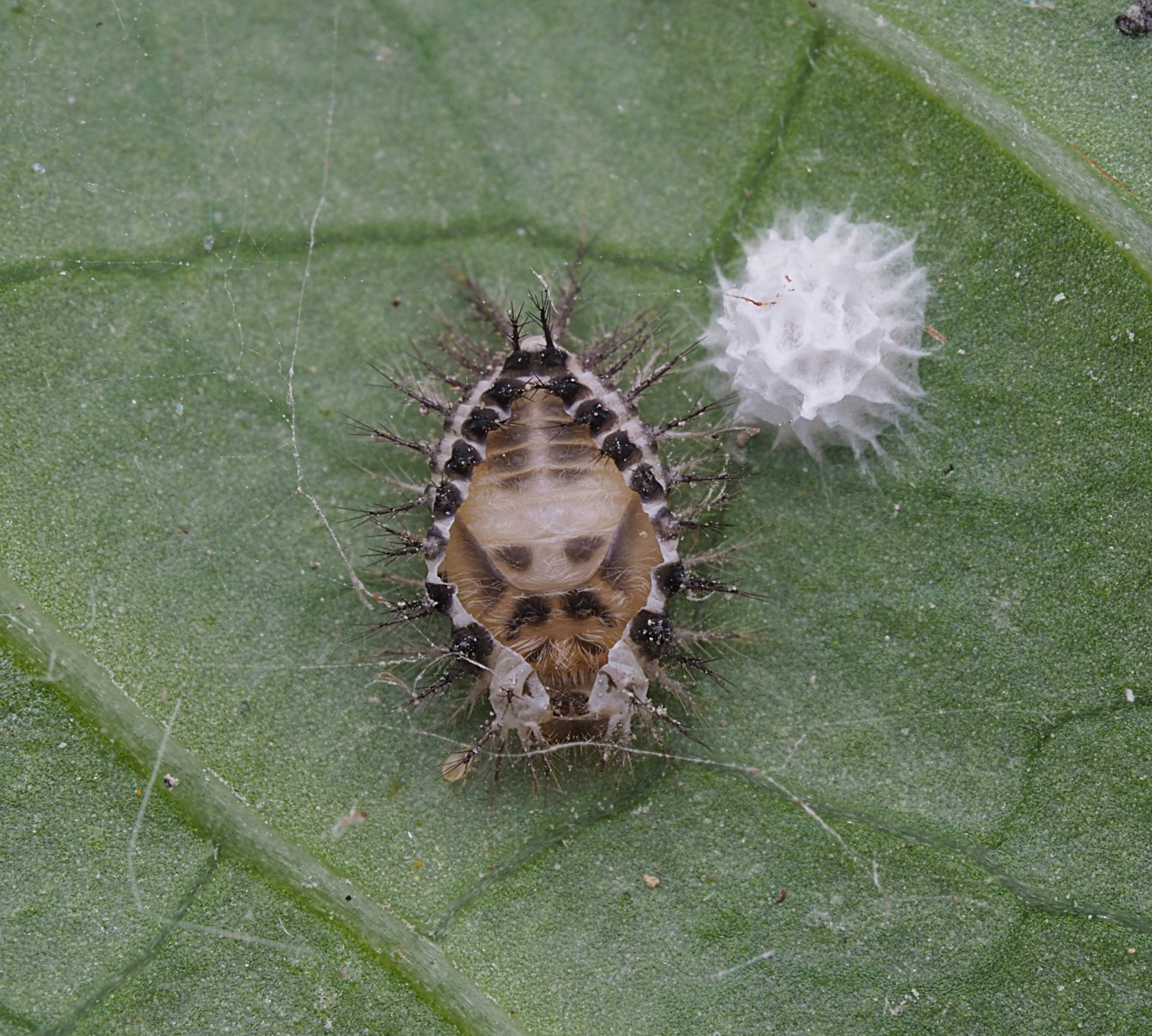
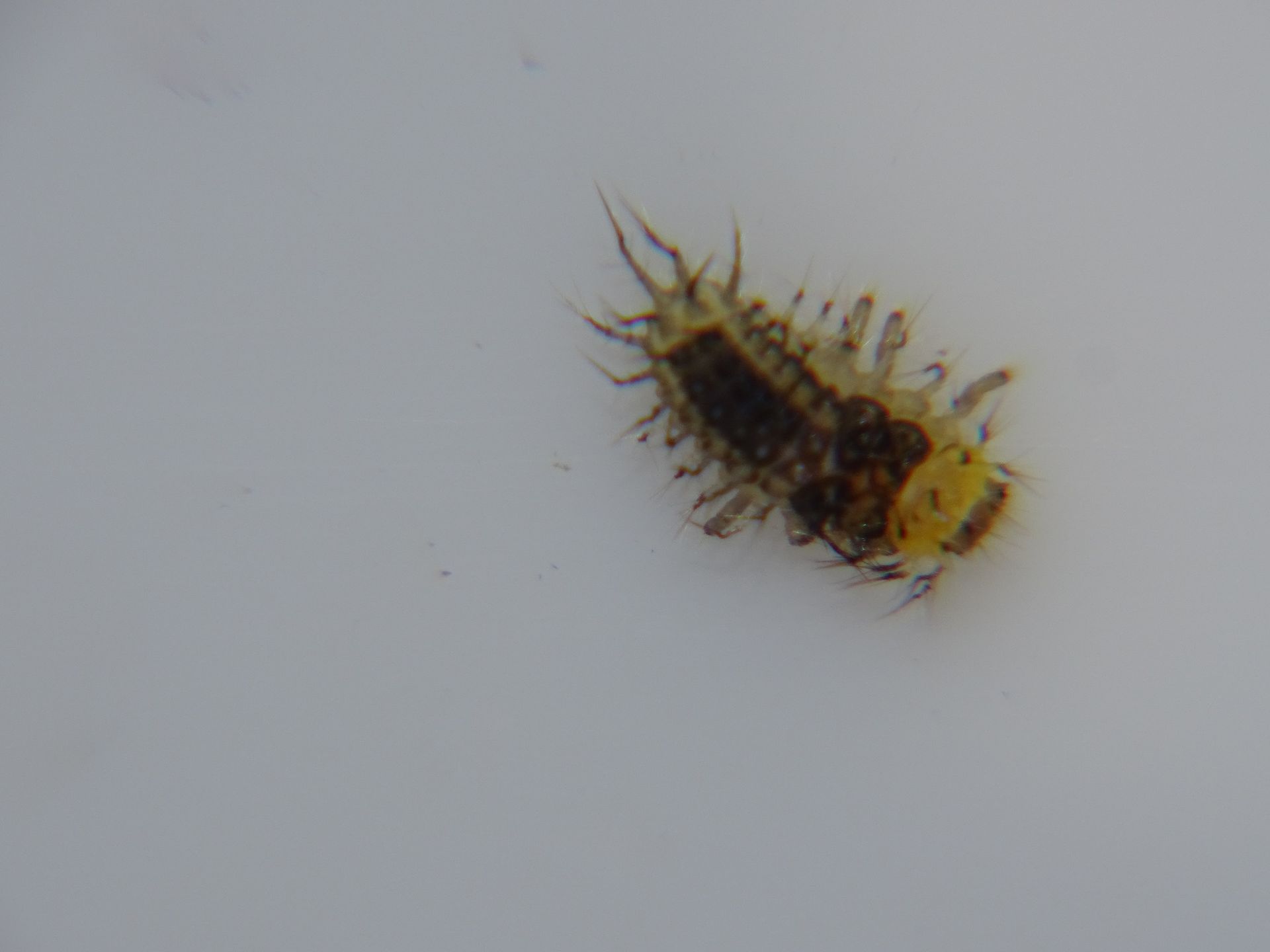
Pronunciation
How to pronounce Halmus chalybeus: /ˈhal.mus kaˈlɪ.bi.us/
These audio files are automatically generated. While they are not always 100% accurate, they are a good starting point.
Images
Distribution
Native to Australia. Introduced and established in New Zealand, where it is now common in northern regions. GBIF records also indicate presence in North America, though establishment status there is unclear.
Diet
and larvae prey on small insects including scale insects (Coccidae), psyllids, whiteflies, and free-living gall mites (Eriophyoidea). Has been recorded feeding on black , blue gum scale, and San Jose scale.
Ecological Role
Predatory agent. The deliberate introduction to New Zealand for citrus pest management represents one of the earlier documented cases of using a lady beetle.
Human Relevance
Intentionally introduced to New Zealand for of scale insects on citrus. Now established and common in northern New Zealand.