Halmus
Mulsant, 1850
Species Guides
1- Halmus chalybeus(steelblue ladybird)
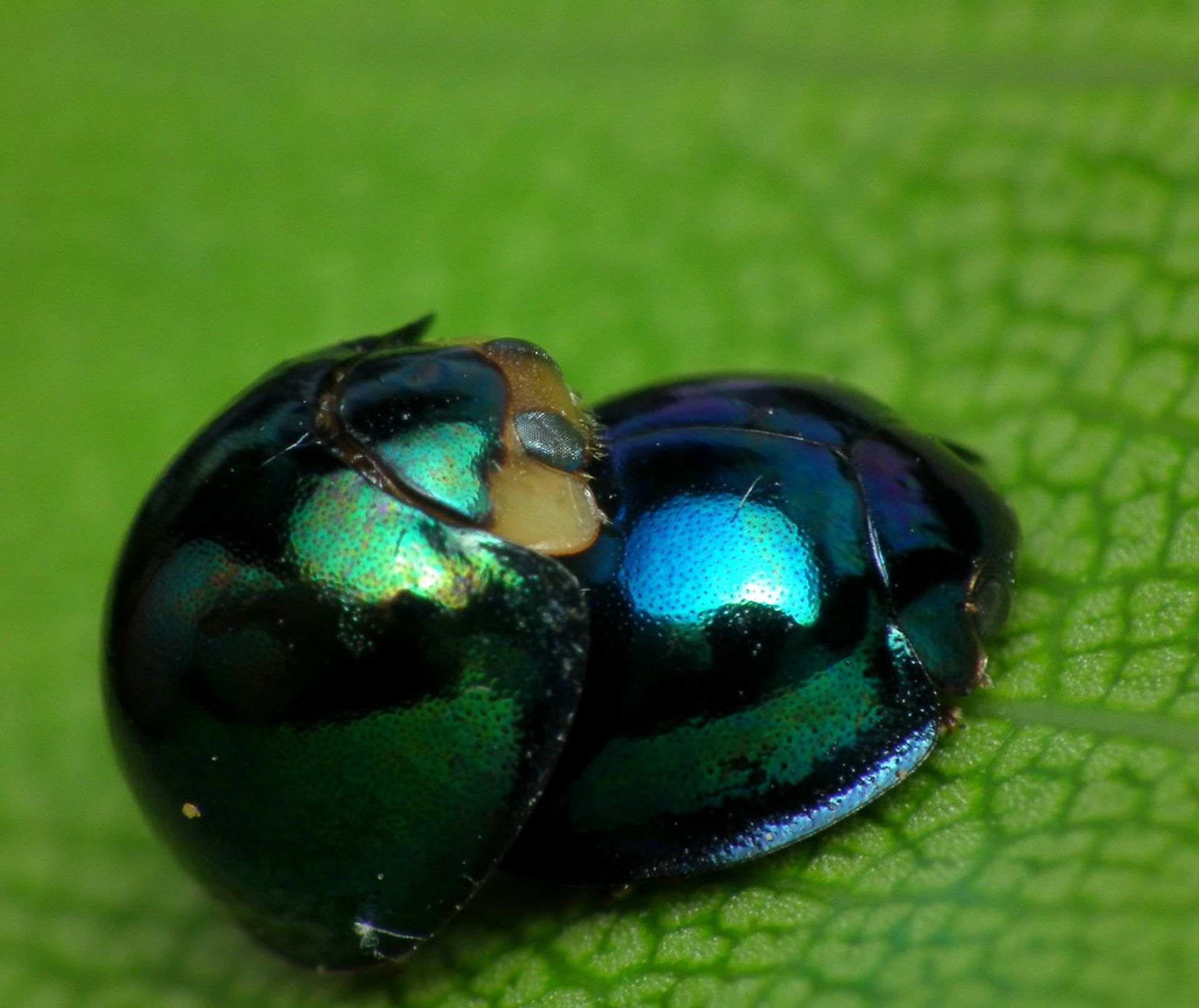
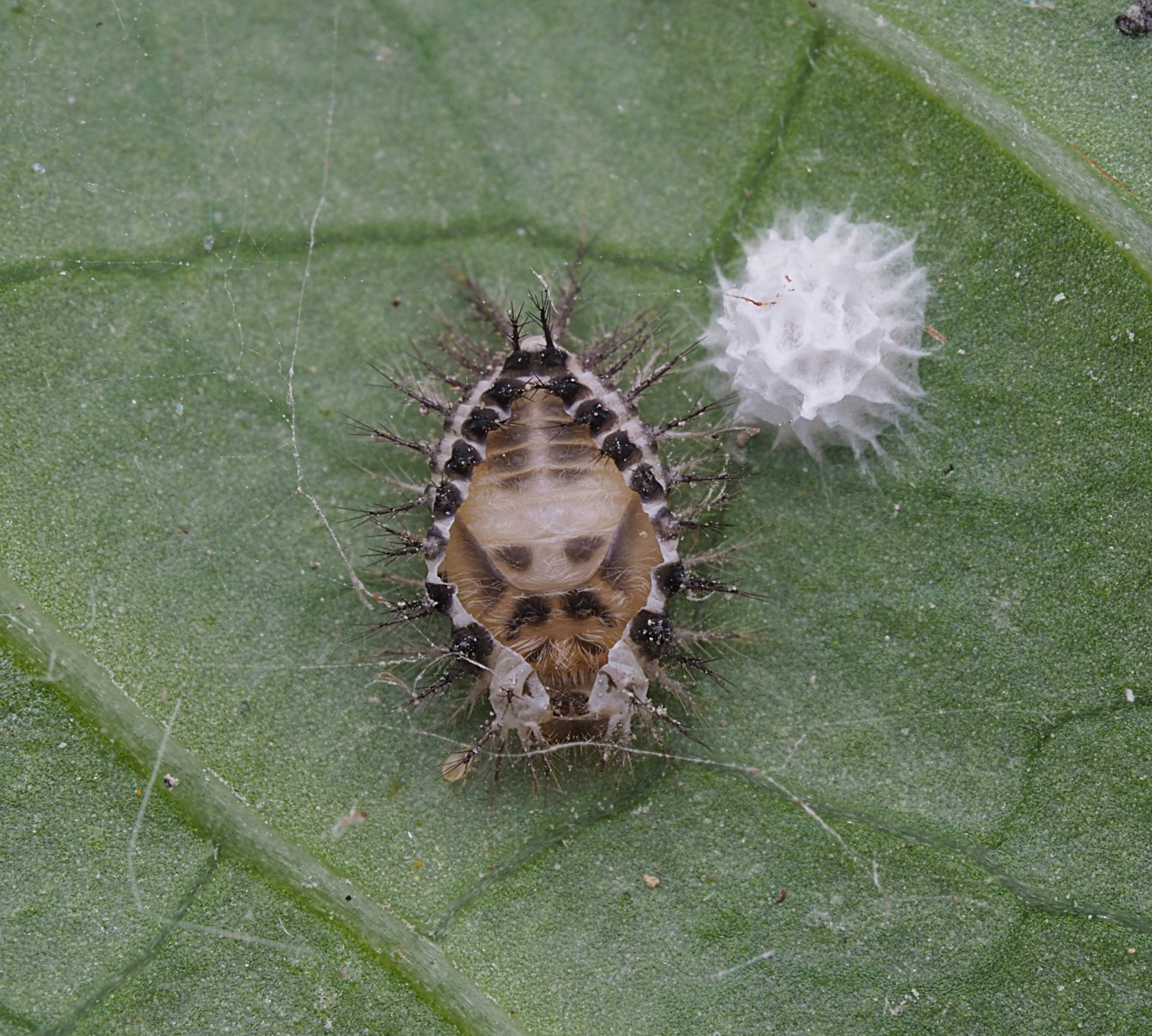
Halmus is a of ladybird beetles ( Coccinellidae) first described by Mulsant in 1850. The genus contains several , most notably Halmus chalybeus, commonly known as the steel-blue ladybird. Species in this genus are characterized by metallic coloration, ranging from blue to green to coppery tones. They are found primarily in Australia and surrounding regions.
Pronunciation
How to pronounce Halmus: //ˈhal.mus//
These audio files are automatically generated. While they are not always 100% accurate, they are a good starting point.
Identification
Halmus can be distinguished from other Coccinellidae by their small, rounded-oval body shape and metallic, often iridescent coloration. Halmus chalybeus is particularly recognizable by its uniform steel-blue color. The genus lacks the spotted patterns common in many other ladybird genera such as Coccinella or Harmonia. are short and clubbed; legs are relatively short and concealed beneath the body when viewed from above.
Images
Distribution
The Halmus is native to Australia and nearby regions. Halmus chalybeus has been introduced to New Zealand, where it is established. Specific distribution data for other in the genus is limited in available sources.
Human Relevance
Halmus chalybeus (steel-blue ladybird) has been intentionally introduced to New Zealand as a agent for pest scale insects. Its establishment and spread have been monitored as part of programs.
Similar Taxa
- CoccinellaBoth are Coccinellidae with rounded body forms, but Coccinella typically display spotted color patterns (red/orange with black spots) rather than the uniform metallic coloration of Halmus.
- HarmoniaHarmonia share the general ladybird body plan but are generally larger and exhibit variable spotted or striped patterns; Halmus species are smaller with consistent metallic coloration and lack such pattern variation.
More Details
Species diversity
The contains at least six described : Halmus chalybeus, H. coelestris, H. cupripennis, H. evelynensis, H. hilli, and H. viridis. Two species (H. hilli and H. viridis) were described relatively recently in 2006.
Taxonomic history
The was established by Mulsant in 1850. have been described by various authors including Boisduval (1835, as Coccinella chalybea), Blackburn (1891), Weise (1923), and Ślipiński & Giorgi (2006).