
Clemmus
Hampe, 1850
Species Guides
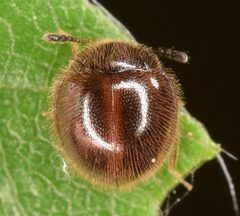
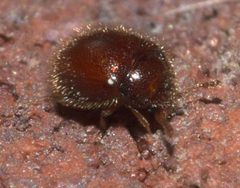
1Clemmus is a of small beetles in the Anamorphidae, established by Hampe in 1850. The genus contains at least two described : Clemmus minor and Clemmus troglodytes. Members of this genus are part of the diverse of beetles historically grouped with endomychid-like forms. Taxonomic placement has shifted over time, with some sources formerly placing the genus in Endomychidae.
Pronunciation
How to pronounce Clemmus: /ˈklɛm.məs/
These audio files are automatically generated. While they are not always 100% accurate, they are a good starting point.
Identification
Clemmus can be distinguished from related by its placement in Anamorphidae, a separated from Endomychidae based on molecular and morphological evidence. The genus name Clemmus is recognized in taxonomic databases, though specific diagnostic morphological features for the genus are not readily available in general sources. The two included , C. minor and C. troglodytes, are differentiated at the species level.
Images
Distribution
The has been documented in the Northern Hemisphere based on epithets and historical collection patterns; Clemmus troglodytes was described from European material (Germany), while Clemmus minor was described from North America.
Similar Taxa
- Endomychidae generaClemmus was historically classified in Endomychidae and shares general body plan with endomychid beetles; molecular studies support separation into Anamorphidae
Misconceptions
Clemmus is sometimes still associated with Endomychidae in older literature and some databases (e.g., NCBI), but current places it in Anamorphidae based on revised -level classifications for Coccinelloidea.
More Details
Taxonomic instability
-level placement of Clemmus has been revised; while GBIF and Wikipedia recognize Anamorphidae, NCBI retains Endomychidae, reflecting ongoing taxonomic refinement in the superfamily Coccinelloidea
Species diversity
Only two are formally described, but the may contain additional undescribed diversity given the limited number of observations (11 records in iNaturalist) relative to similar groups