
Listrini
Majer, 1990
Genus Guides
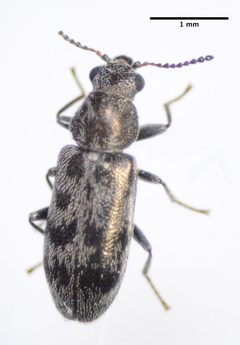
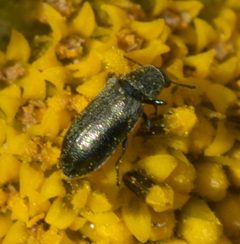
10Listrini is a tribe of soft-bodied beetles within the Melyridae, Dasytinae. Members of this tribe are characterized by their relatively compact body form and association with dry, sandy, or rocky . The tribe was established by Majer in 1990 and contains multiple distributed primarily in the Palearctic region, with some representation in other regions. Listrini beetles are often found in xeric environments and are part of the diverse soft-winged flower beetle fauna.

Pronunciation
How to pronounce Listrini: //lɪˈstriːnaɪ//
These audio files are automatically generated. While they are not always 100% accurate, they are a good starting point.
Images
Habitat
within Listrini are primarily associated with xeric and semi-xeric environments, including sandy soils, rocky outcrops, and dry grasslands. They have been observed in coastal dunes, steppe , and other open, well-drained areas with sparse vegetation. The tribe shows a preference for warm, dry microhabitats where they can be found on the ground or on low vegetation.
Distribution
The tribe Listrini has its primary distribution in the Palearctic region, with notable diversity in southern Europe, North Africa, and parts of Asia. Some extend into the Nearctic region. The distribution reflects the tribe's to arid and semi-arid climatic zones.
Seasonality
activity periods vary by and geographic location, generally coinciding with warm, dry periods in spring and summer months. In Mediterranean climates, peak activity often occurs in late spring to early summer before the onset of extreme summer drought.
Similar Taxa
- DasytiniBoth tribes belong to Dasytinae and share soft-bodied , but Dasytini generally have more elongated body forms and are more commonly associated with flowers and vegetation rather than strictly xeric ground .
- Melyridae (other tribes)Other melyrid tribes such as Malachiini ( Malachiinae) differ in having more flexible , often brighter coloration, and stronger association with flowers for pollen feeding.
More Details
Taxonomic History
The tribe Listrini was established by Majer in 1990 to accommodate previously placed within Dasytini that showed distinct morphological and ecological characteristics, particularly the more compact body form and xeric preferences.
Research Status
Listrini remains relatively understudied compared to other melyrid tribes, with ongoing taxonomic revisions needed to clarify generic boundaries and limits, particularly in the eastern Palearctic region.