
Dasytini
Laporte, 1840
Genus Guides
12Dasytini is a tribe of soft-bodied beetles within the Melyridae, commonly known as soft-winged flower beetles. Members are characterized by their flexible and frequent association with flowers and vegetation. The tribe contains numerous distributed across multiple continents, with often observed on flowering plants where they feed and reproduce.
Pronunciation
How to pronounce Dasytini: /ˌdæ.səˈtaɪ.naɪ/
These audio files are automatically generated. While they are not always 100% accurate, they are a good starting point.
Identification
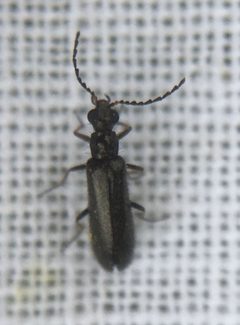
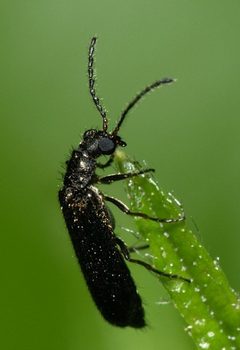
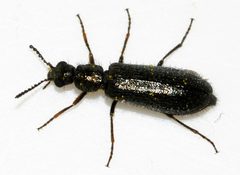
Dasytini beetles can be distinguished from other melyrid tribes by their soft, flexible that do not fully harden into a rigid shell. They possess relatively long, thread-like and often exhibit a somewhat elongate body form compared to the more compact Malachiini. The pronotum is typically narrower than the base of the elytra, and the overall body texture appears velvety or pubescent due to fine setae.
Images
Habitat
Primarily associated with herbaceous vegetation, flowering plants, and low shrubs. are frequently found on blossoms where they feed on pollen and small insects. Larval are less documented but likely occur in soil, leaf litter, or decaying plant material near plants.
Distribution
Widespread across the Holarctic region, with significant representation in Europe, Asia, and North America. Also present in parts of the Afrotropical and Oriental regions. The tribe shows its greatest diversity in temperate and Mediterranean climates.
Seasonality
activity peaks during spring and summer months when flowering plants are abundant. In temperate regions, most observations occur from May through August, though some may be active earlier or later depending on local climate conditions.
Diet
are known to feed on pollen and small soft-bodied insects such as aphids. This mixed feeding strategy combines plant and animal material.
Life Cycle
Complete with , larva, pupa, and stages. Larvae are generally predatory or feed on decaying organic matter, though specific details vary by . Developmental timing is tied to seasonal availability of prey and flowering resources.
Behavior
are and frequently observed moving actively among flowers. They are capable of and readily take to the air when disturbed. Some have been noted to aggregate on particularly productive flowering plants.
Ecological Role
contribute to pollination through pollen consumption and may provide minor of pest insects through on small soft-bodied prey. Larvae likely function as or decomposers in soil and litter .
Human Relevance
Limited direct economic importance. Occasionally encountered by entomologists and naturalists during field surveys. Some may be incidental visitors to gardens and agricultural areas where flowering plants are present.
Similar Taxa
- MalachiiniAnother tribe within Melyridae; Malachiini typically have more compact bodies, shorter relative to body length, and often display metallic coloration more prominently than Dasytini.
- AttaliniA smaller tribe of Melyridae with more restricted distribution; Attalini generally exhibit different antennal structure and body proportions that aid in separation from Dasytini.
More Details
Taxonomic note
The tribal classification within Dasytinae has undergone revision, with some historically placed in Dasytini now reassigned to other tribes. Current circumscription follows molecular and morphological studies, though some generic limits remain under investigation.
iNaturalist observations
With over 23,000 observations recorded, Dasytini represents one of the more frequently documented melyrid tribes on citizen science platforms, reflecting both their abundance in temperate regions and their visibility on flowers.