
Luperina
(subtribe)
Genus Guides
16- Amplioluperus
- Androlyperus
- Eusattodera
- Keitheatus
- Lygistus
- Metrioidea
- Monoaster
- Phyllobrotica(skeletonizing leaf beetles)
- Pseudoluperus
Luperina is a subtribe of leaf beetles (Chrysomelidae: Galerucinae: Luperini) comprising approximately 20 distributed primarily in the Old World. Members are generally small to medium-sized beetles associated with herbaceous vegetation. The subtribe was established based on morphological characters of the male genitalia and tarsal structure. Many are poorly studied, with limited biological data available.
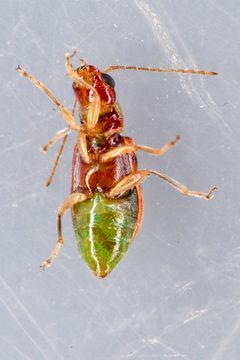
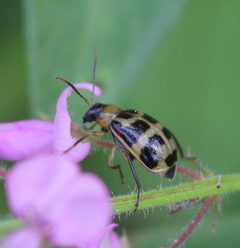
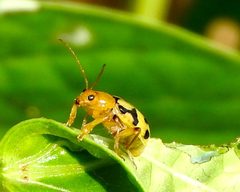
Pronunciation
How to pronounce Luperina: //luːˈpɛ.rɪ.na//
These audio files are automatically generated. While they are not always 100% accurate, they are a good starting point.
Identification
Luperina can be distinguished from the subtribe Diabroticina by the absence of a metatibial mucro (a spur on the hind tibia) and by differences in male genitalia structure. The typically lacks the complex internal characteristic of Diabroticina. Tarsal claws are usually appendiculate (with a basal tooth), though this character varies. Members generally lack the enlarged hind seen in some related flea beetles.
Images
Habitat
occur in diverse terrestrial including grasslands, meadows, forest edges, and agricultural areas. Most are associated with herbaceous plants rather than woody vegetation.
Distribution
Primarily Palearctic and Oriental, with some representation in the Afrotropical region. The subtribe is absent from the Americas and Australia. Individual show varying patterns, with some restricted to specific regions such as the Mediterranean or East Asia.
Seasonality
activity generally coincides with the growing season of plants, typically spring through autumn in temperate regions. Specific timing varies by and latitude.
Ecological Role
As herbivores, members contribute to nutrient cycling through plant consumption and serve as prey for various . Some may occasionally reach pest status on cultivated plants, though this is less documented than in the related Diabroticina.
Human Relevance
Economic importance is generally minor compared to the subtribe Diabroticina. A few have been recorded as occasional pests of crops, but Luperina lacks the major agricultural pests found in related subtribes. The group is primarily of systematic and ecological interest.
Similar Taxa
- DiabroticinaDiabroticina is the most closely related subtribe, distinguished by presence of a metatibial mucro and different male genitalia structure; Diabroticina contains major agricultural pests such as cucumber beetles (Diabrotica), which are absent from Luperina.
- AulacophorinaAnother subtribe of Luperini, often with more vivid coloration and different tarsal structure; Aulacophorina includes many tropical with enlarged hind for jumping.